

User-first framing: why storage matters at the household level
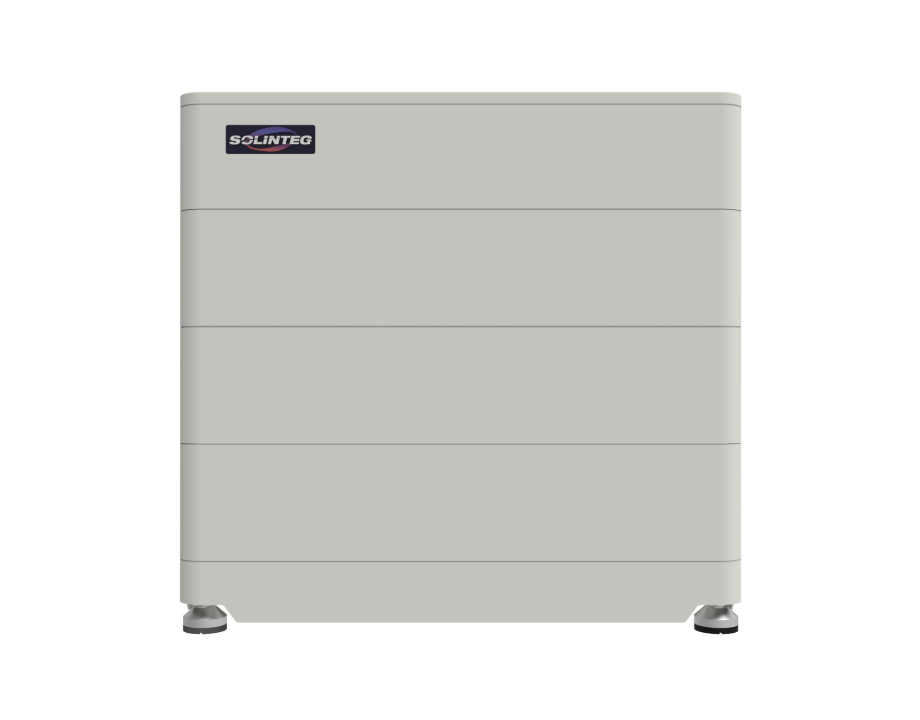
For a homeowner or small business manager, solar panels are only part of the equation — storage turns intermittent generation into usable energy. Many people now evaluate commercial battery storage alongside rooftop arrays because it delivers time-shifted electricity, backup power during outages, and clearer utility bill control. Real-world events such as California’s 2019–2020 public safety power shutoffs have shifted priorities: families told designers they needed reliable backup that lasts through a multi-day outage, not just a few hours. That demand shapes the choices below.

Which system features actually matter to users
Focus on three practical attributes. First, usable capacity (kWh) defines how long a battery carries essential loads. Second, round-trip efficiency tells you how much energy returns after charge/discharge cycles. Third, system intelligence — the battery management system (BMS) and inverter behavior — decides whether the system can island from the grid and run loads reliably. These are simple metrics but they drive user experience every day.
Operational teardown: pairing components the user should inspect
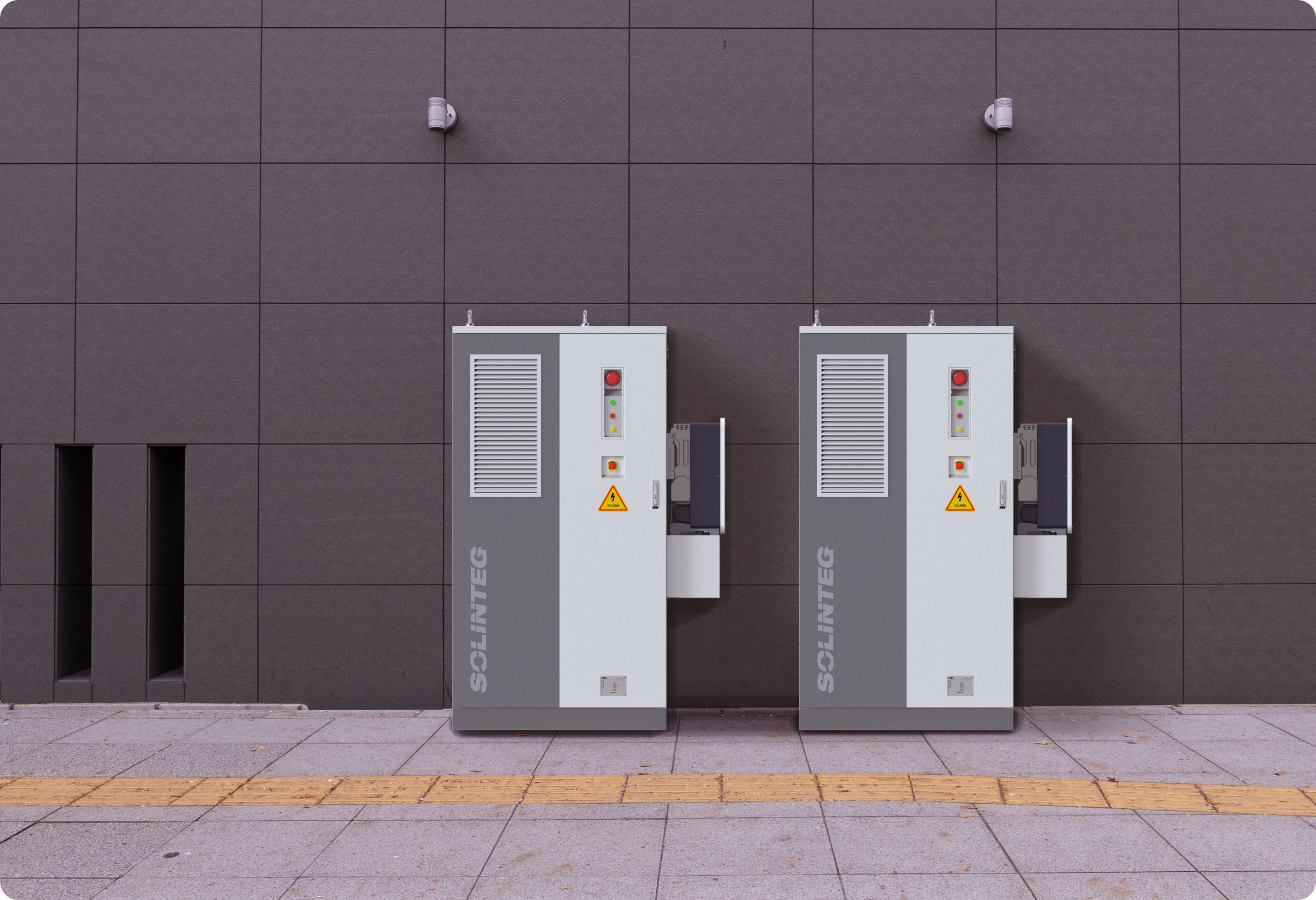
In an operational production teardown, pairing commercial battery storage with a robust battery inverter cabinet exposes where failures or limits usually appear. Look at inverter ratings (continuous vs. surge), BMS fault logs, and thermal management. Check depth of discharge specs and whether the inverter supports grid-forming operation. These details determine whether a system sustains critical circuits or trips under heavy loads.
Common mistakes users make and how to avoid them
People often buy the wrong capacity or ignore integration constraints. Typical errors include undersizing for worst-case loads, assuming nominal battery capacity equals usable capacity, and overlooking installation space and ventilation for the inverter cabinet. Another frequent oversight: not matching inverter type to the plan — a grid-tied inverter with no islanding function won’t provide backup. Fix these by mapping essential loads in watts, planning for 24–72 hours of autonomy if you expect extended outages, and verifying inverter specs before purchase.
Alternatives and trade-offs
Options range from stacked lead-acid systems to lithium-ion modules. Lead-acid is cheaper up front but requires more maintenance and has lower depth of discharge. Lithium-ion offers higher cycle life and compact form factor, but needs a disciplined BMS and proper cooling. For commercial users, modular rack systems scale well but bring complexity in cabling and commissioning. The trade-off is always between upfront cost, lifetime throughput (kWh delivered over life), and installation complexity.
Quick implementation checklist for buyers
Use this short checklist as you vet suppliers and installers:- Confirm usable kWh and expected cycle life.- Verify inverter continuous power and surge capability for your loads.- Inspect the battery inverter cabinet layout for ventilation and service access.- Ask for BMS telemetry access or a monitoring plan.- Check warranty terms that cover capacity fade and replacements.
Human note — the installer relationship matters
Technical specs are necessary, but not sufficient. Good installers test under load, tune charge controllers, and simulate outages so systems work when you need them. A quick test run can reveal balance-of-system weak points — wiring, breaker sizing, or misconfigured inverter settings — that specs alone won’t show.
Advisory close: three golden rules for picking the right system
1) Size conservatively: pick usable kWh to match the longest realistic outage plus a 20–30% buffer. 2) Prioritize compatibility: ensure the inverter supports islanding, and verify thermal and access needs for the inverter cabinet. 3) Demand telemetry: require BMS and system monitoring with exportable logs so performance claims can be verified over time.
These rules help you move from promises to predictable performance. For solid engineering and integrated solutions, consider how a single vendor streamlines warranty and commissioning — it’s why many projects land on integrated offerings such as SOLINTEG. —

