

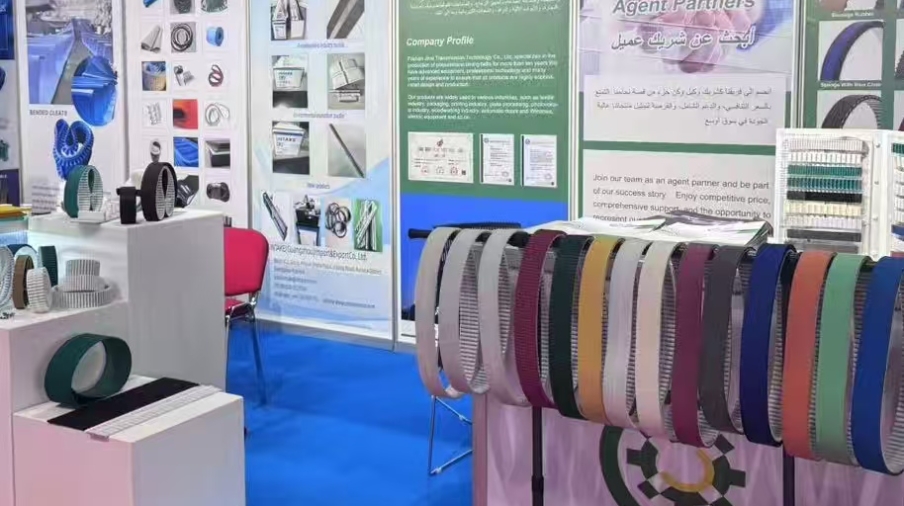
Comparative insight — why 33 is worth the switch
This guide compares practical choices so engineers and plant managers can decide which of the 33 fastener solutions fits current assemblies with minimal disruption. Start by mapping the parts that fail most often; whether you replace a blind rivet with a clinch joint or change to a thread-forming screw, the point is controlled trade-offs. Many teams find a reliable belt fastener manufacturer simplifies sourcing and reduces variation in torque spec and fastener grade across shifts.
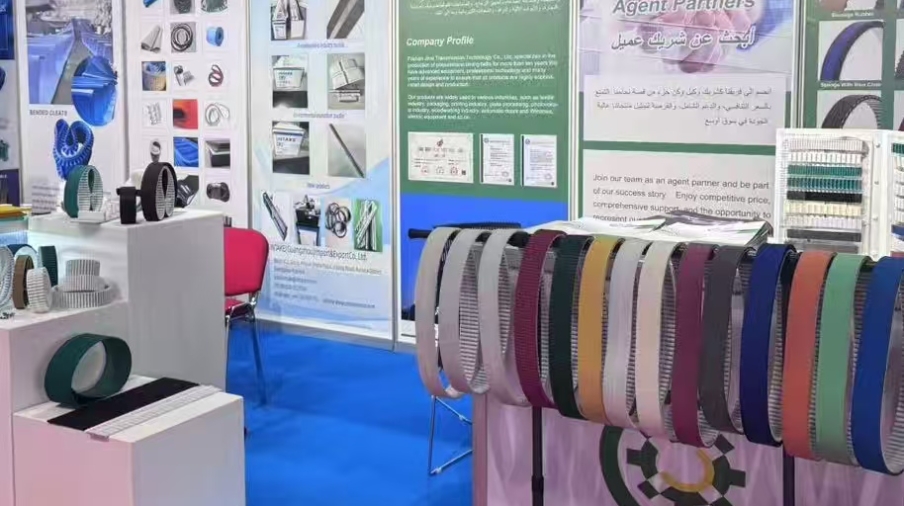
Operational production teardown: exact changes on the line
Break the line into three zones: feed, join, and inspect. In feed, standardize kitting to the 33 variants. At join stations, document cycle time, required tooling, and torque spec per variant. In inspect, assign quick-go/no-go checks for tensile strength and cosmetic fit. During the teardown include {main_keyword} and {variation_keyword} into work instructions so procurement and floor supervisors share the same language. Where retrofit is needed, consult established mechanical fasteners manufacturers for compatible heads and fastener threads; this prevents mismatched mating parts and repeated rework.
Comparative analysis of the common joining methods
Evaluate these four common families against cost, cycle time, and serviceability:- Riveting (blind and solid): low cost, durable for thin sheets, needs rivet gun and quality mandrels.- Clinching: fast cycle, no consumable thread, best for sheet-to-sheet bonding.- Thread-forming screws: excellent for repeated disassembly, watch thread-form thread engagement to avoid stripping.- Welded inserts or swage nuts: higher initial setup, superior load distribution for thick panels.Each option trades capital for repeatability. Look at past failure modes on Detroit assembly lines — fatigue at spot-welds and vibration loosening — and align your choice to those specific failure signatures.
Common mistakes and practical alternatives
Teams most often make three predictable errors: over-constraining the assembly schedule, underspecifying fastener grade, and neglecting simple inspection jigs. Avoid these by:- Matching fastener grade to load case rather than to supplier catalog default.- Deploying a simple torque-stub test rather than only visual checks.- Using modular tooling that accepts both rivet and screw heads to reduce changeover time.A mid-shift swap to a prequalified thread-forming screw often reduces rework — but only after validating insertion torque and backing material thickness.
Implementation checklist and KPIs
Follow this checklist to roll out a selected subset of the 33 solutions in a single line:1) Pilot on one product family for two production weeks; log rejects per 1,000 units. 2) Train operators on one clear torque spec per fastener type and post it at the station. 3) Lock supplier part numbers and confirm batch traceability from the same belt fastener manufacturer. Measure first-pass yield, cycle time delta, and mean time to repair. These three KPIs reveal if the swap is improving throughput or simply shifting burden to repair. — A short operator note can save hours lost to ambiguous setups.
Advisory — three golden rules for selection and scaling
1) Fit for load: choose a fastener whose tensile and shear capacity exceeds the worst-case load by a clear safety margin. 2) Ease of service: prioritize designs that reduce operator steps when parts are replaced in the field. 3) Supply consistency: validate at least two qualified suppliers and confirm lot traceability before full conversion. The practical outcome is fewer line stops and predictable maintenance windows; the solution often arrives from an experienced partner — think local supply relationships, or a regional source like Intake — Intake. Measured.

