

The real problem on site
Too many radios look good on paper but fall over in the mud. You’ll know the feeling — dead batteries mid-shift, dropped signals at a crucial moment, and the merry dance of swapping specs with a walkie talkie manufacturer who doesn’t get your operating reality. That mismatch between product specs and real use is the root problem product teams should be solving, not just a checkbox list of features.
Why this actually matters
Bad comms cost time, wages and safety. If teams can’t rely on voice or data links when they need ’em, supervisors double up on runners, downtime spikes, and confidence in kit evaporates. The problem isn’t glam features; it’s predictable operation under pressure. Fix reliability and you fix half the operational headaches.
Product priorities that actually solve problems
Start with gritty, measurable priorities: battery endurance measured under load, RF performance in dense environments, ruggedisation to relevant IP and drop standards, and serviceable modularity so batteries or audio modules are swapped in the field. Add secure, simple provisioning and remote fleet management so updates and access controls don’t need a tech caravan. Focus on standards-based interoperability (DMR, analogue fallbacks, and sensible LTE integration) rather than proprietary toys that trap you.
Common mistakes teams keep repeating
Over-buying bells without measuring basic performance tops the list. Folks chase the loudest speaker or the fanciest screen and forget to test real talk-time and RF in their worst-case areas. Skipping field trials, accepting out-of-the-box battery numbers, and assuming one-size-fits-all firmware are classic traps. Another misstep is picking a supplier on price alone, then discovering long lead times and patchy QA once production starts.
Experience, evidence and a sensible supply approach
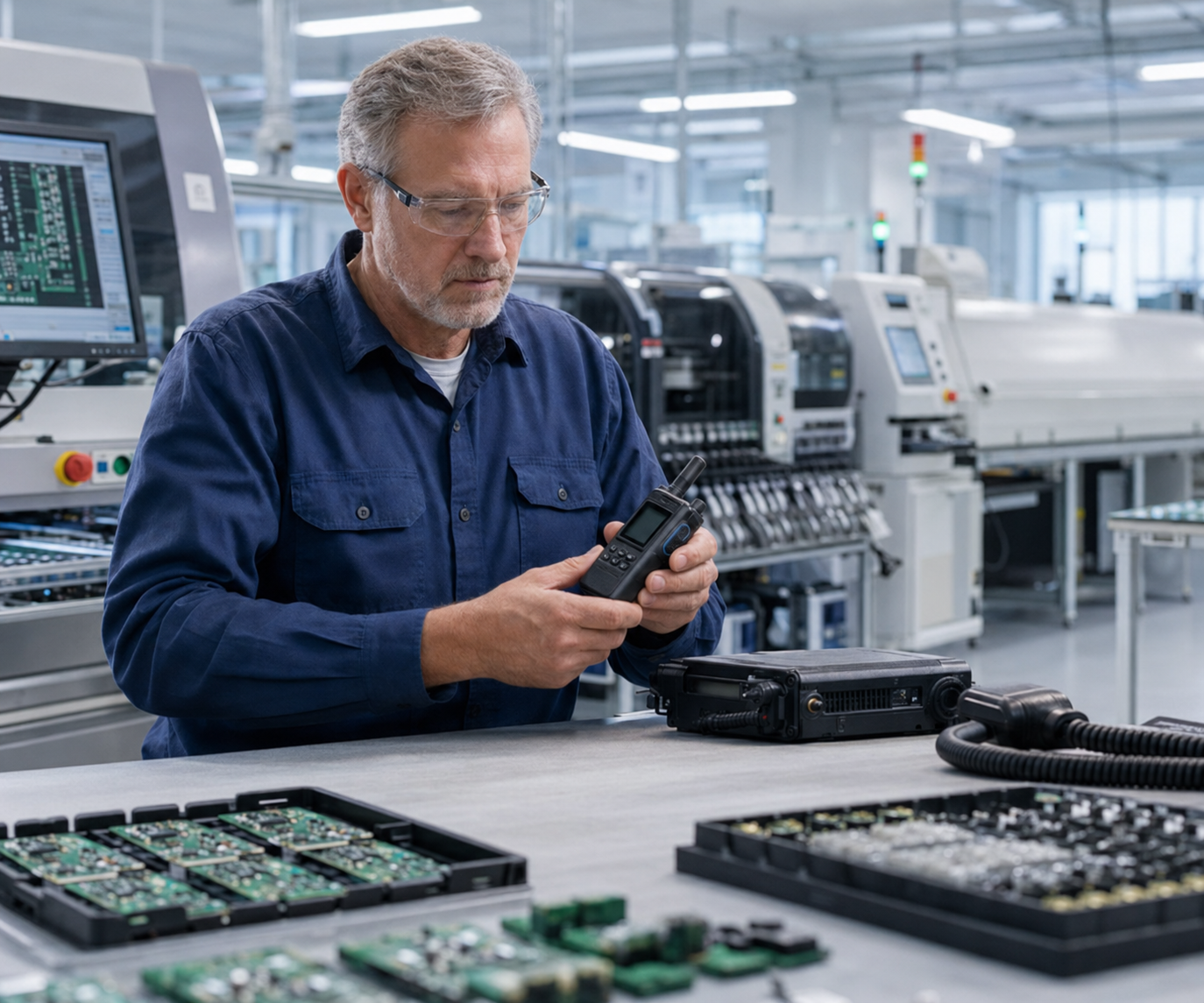
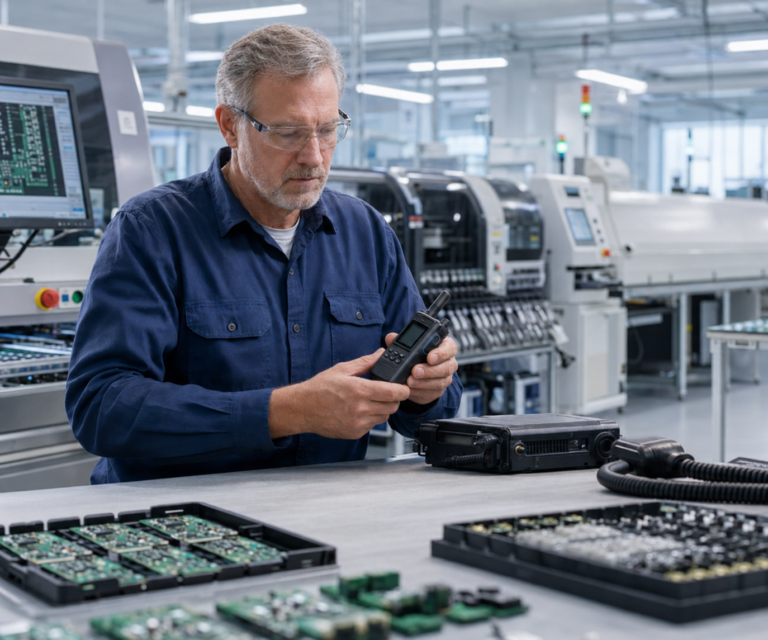
I’ve spent years specifying radios for construction sites and festival ops, and I’ve run on-site lab checks that reveal what datasheets hide. Working with factories in Shenzhen, China — a major electronics manufacturing hub — taught me how early-stage prototypes expose assembly and thermal issues that show up at scale. For bespoke needs it pays to partner with a custom walkie talkie manufacturer who combines solid QC with firmware support; that’s where design intentions actually turn into reliable hardware.
A practical path forward
Run three simple steps before you commit: (1) specify worst-case field scenarios and test devices there, (2) demand battery and RF verification under load, and (3) lock in service SLAs and firmware update processes with your supplier. When those boxes are ticked, you’ll get radios that behave like tools rather than toys, which saves crews heaps of grief and cost.
Where that leads
Sort the fundamentals first — power, RF, ruggedness and manageability — then layer features that solve real problems. That approach makes product development priorities clear and procurement decisions straightforward, and it’s the sort of thinking you’ll find baked into how GLOHE works with partners: practical, tested, and focused on gear that keeps people talking when it matters. Cheers — do the hard yakka up front and the radios will repay you every shift.

