

The problem: crippling demand charges, dodgy supply and skanky backup
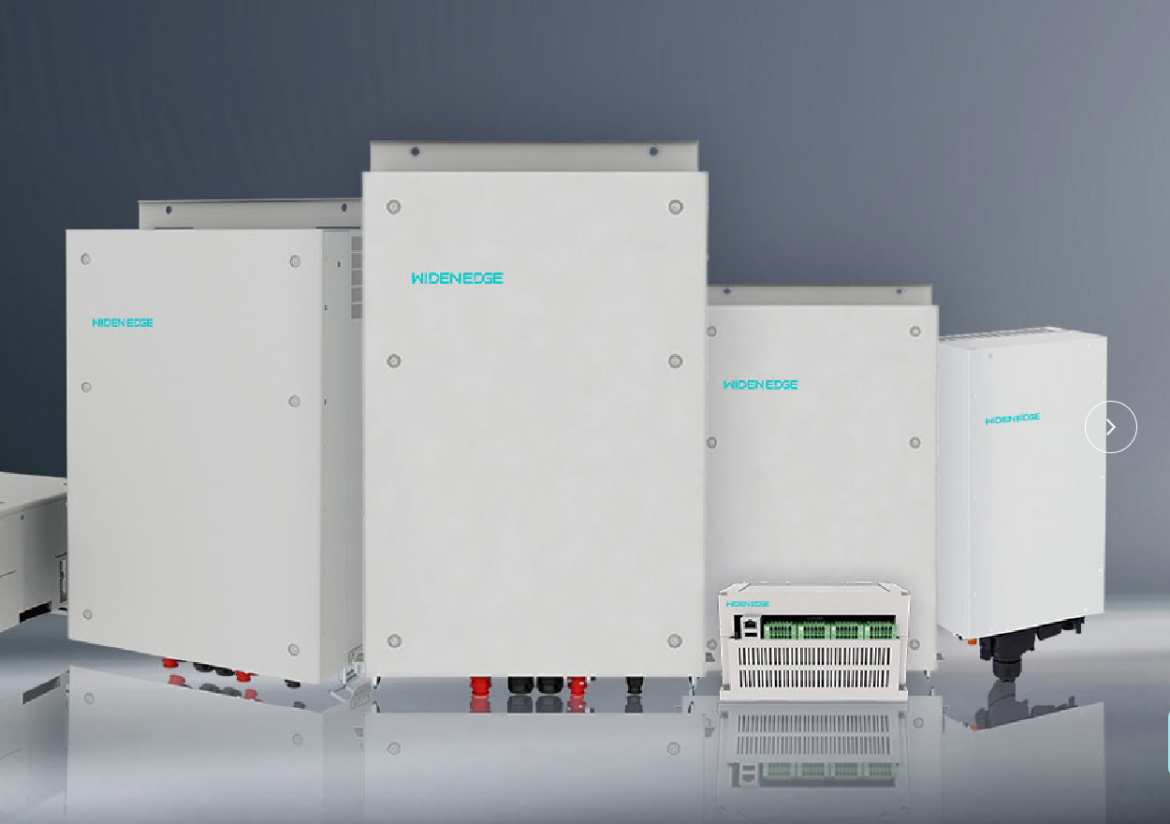
Businesses keep getting slugged by peak demand charges, grid hiccups and the pressure to join demand-response calls — and that’s a costly headache. For many sites the answer sits behind simple hardware and smart ops, like a 125kW commercial energy storage inverter tied to a battery bank, but the trick is using those pieces the right way so they actually cut bills and keep the lights on.
What storage actually fixes — quick, no fluff
Storage tackles three linked problems. Straight talk on the outcomes:- Peak shaving: shave the highest half-hour or hour that defines demand charges.- Demand response: provide predictable, bidirectional flexibility to grid programmes.- Resilience: ride through outages and reduce reliance on noisy gensets.
You get lower bills, fewer surprise curtailments and a smoother operation when storage is sized and controlled sensibly.
Why the bidirectional inverter matters
The inverter is the brains and the gatekeeper. A reliable bidirectional inverter moves energy both ways — charging from the grid or onsite generation, then discharging to shave peaks or island the site. I’ve specified these for industrial sites and seen them make the difference during stress events; during California’s 2020 rolling blackouts operators leaned on inverter-equipped resources to stabilise local supply. Pick an inverter with precise SOC control, fast ramp rates and clear communications for EMS integration.
Design choices and pitfalls to dodge
Common mistakes that bite you later:- Undersizing: choose battery capacity only for one event and you’ll run out next time. – Poor control logic: naive schedules fight demand-response calls or waste cycles. – Ignoring harmonics and power quality: cheap inverters can trigger nuisance trips on sensitive equipment. – No commissioning plan: systems perform fine on paper but flunk real loads without proper tuning. Fixes are straightforward: model demand profile, test worst-case events, and validate harmonics before you sign off.
Alternatives and when they win
Not every site needs big batteries. Quick comparisons:- Diesel gensets: good for long outages but slow, noisy and often costlier to run for short peaks. – Flywheels: excellent for short, fast ramps but impractical for multi-hour energy shifting. – Grid-based demand-response (no onsite storage): cheapest upfront but risky if curtailment is frequent. Choose batteries + a solid inverter when you want both energy shifting and fast dispatch; consider hybrids when backup duration or lifecycle cost pushes you that way.
Simple roadmap for choosing and implementing storage
Follow these steps and keep it pragmatic:1) Gather six months of interval load and tariff data. 2) Run peak-shave and outage scenarios; size battery and inverter to the worst credible case. 3) Specify a bidirectional control strategy (time-based plus event override). 4) Commission with real loads and refine SOC thresholds after two weeks. 5) Track performance: compare predicted savings to metered results and tweak controls. Do the prep and you avoid waste and downtime.
Where this all leads
When problems drive decisions, the solution is clear: pair correct sizing with a controllable inverter and practical commissioning to hit peak shaving, demand-response and resilience targets without drama. That’s what clients expect from credible suppliers, and why projects I’ve been involved with tend to settle on systems specified, tuned and supported by engineers who understand site realities — the kind of approach you see in providers like WidenEdge.

