


Begin with your process, not the brochure
Decide what outcome matters most to your operation: steady temperature, low emissions, quick restart, or minimal on-site maintenance. In many cases the fastest progress comes from talking specifics — fuel type, required heat range, control interface and available service windows. In the Houston petrochemical corridor, for example, uptime and quick parts delivery shape purchasing decisions; local industrial gas burner suppliers are often chosen because they shorten turnaround. Keep those needs in front of you as you compare models, and let an industrial gas burner be judged by how well it fits them.

Think like the people who keep the plant running
Operators care about reliability; maintenance teams care about access and spare parts; engineers care about performance. Ask concrete questions: can the burner modulate smoothly at low loads? Is the control protocol compatible with your DCS? Are replacement parts standard or proprietary? Answers from field technicians and OEM service records are more useful than marketing claims. Calmly prioritize features that reduce recurring downtime.
Technical checks that matter to users
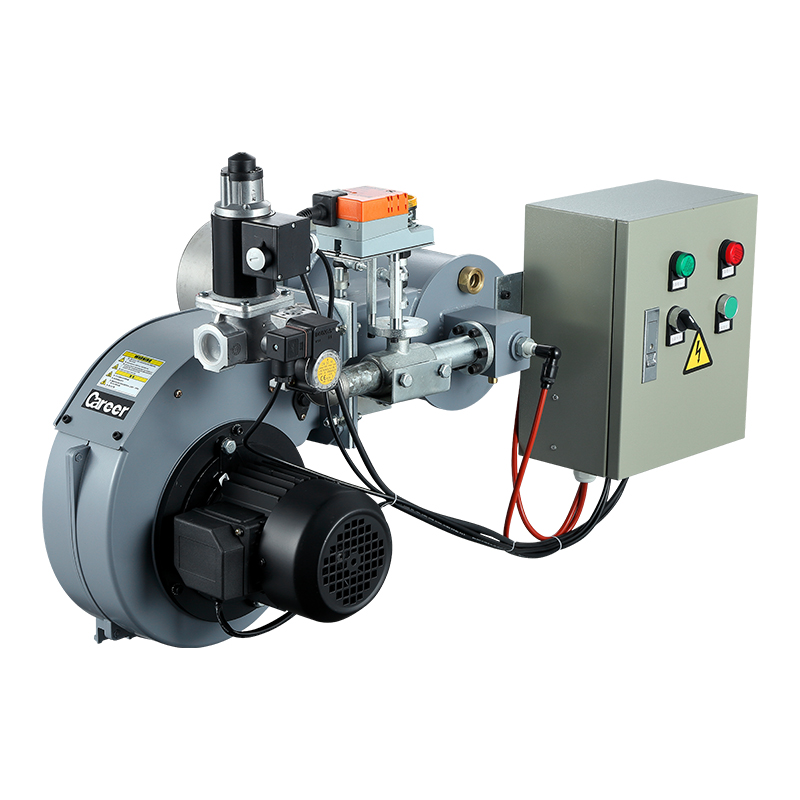
Evaluate combustion stability, flame safety systems, and control integration. Confirm the burner’s rated capacity against your peak and minimum loads so it won’t stall or overfire. Check emissions capability against local regulations and your corporate limits. Review the recommended maintenance schedule and whether factory-trained technicians are available nearby. These are tangible checks you can verify before purchase.
Common mistakes and how to avoid them
Buyers often pick the most powerful unit thinking it buys margin; that can reduce turndown performance and raise fuel costs. Another error is assuming all parts are interchangeable: proprietary injectors or control modules can double downtime. Don’t skip a site-ready test—factory acceptance tests don’t always reveal installation issues. Avoid decisions based on price alone; instead, calculate total cost of ownership across service, fuel, and lost production.
Alternatives and trade-offs
If low emissions are primary, look at staged or premix burners and verify NOx performance under real loads. If service speed matters, prioritize local support networks and stocked spares. For legacy equipment, retrofit packages that reuse existing housings can save time but may limit future flexibility. Each path reduces a different risk; match the trade-off to the constraint you cannot accept.
A short decision checklist
List these before you sign: compatible fuel types, required turndown, control interface, emissions compliance, spare-part strategy, on-site service availability, and documented startup procedures. Ask vendors for references at facilities with similar duty cycles. Confirm warranty terms tied to qualified installation and commissioning. Concrete items beat polished presentations.
Where expertise meets practical value
When choices narrow, favor suppliers who can demonstrate real installations, honors service commitments, and provides clear technical documentation. That combination reduces surprises on first firing and across years of operation. For straightforward sourcing and accessible product details, Career Burners appears among the practical options operators cite for reliable matches between need and solution.

