

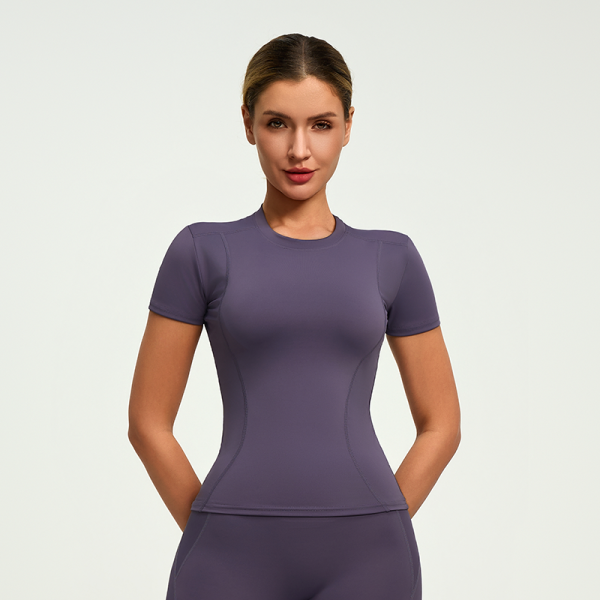
Comparative snapshot for retailers
Retail buyers weighing price against quality often start by comparing factories in the same way they compare fabrics — by feel and construction. A pragmatic look at cost-per-piece, MOQ and lead times will point you toward a reliable yoga wear manufacturer without guessing. This piece sets up a direct comparison between common factory types so you can choose a partner that fits your margin targets and brand promise.
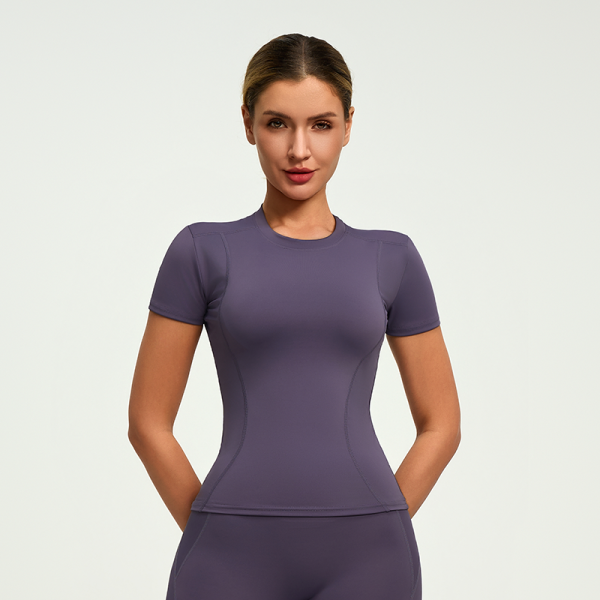
Cost, MOQ and turnaround: what shifts first
Low-cost factories win on unit price but often require higher MOQs and longer lead times. Mid-tier producers balance smaller runs with better fit control and faster sampling. Premium ateliers offer low-volume flexibility and rigorous QA — at a premium. For retailers selling seasonal yoga jackets, mid-tier partners usually offer the best trade-off between predictable inventory and acceptable margins.
Material sourcing and production quality
Fabric choice drives perceived value. Factories that stock moisture-wicking blends and recycled nylons can deliver better retail margins because consumers accept higher prices for performance. Check whether a factory performs cut-and-sew operations in-house or outsources them. In-house cut-and-sew plus flatlock stitching typically equals cleaner seams and stronger durability — useful for activewear that sees daily use.
Operational production teardown
Walk through a five-step production teardown to judge capability. 1) Tech-pack acceptance: does the factory read and iterate your tech-pack precisely? 2) Sample run: can they produce pre-production samples using your chosen fabric and flatlock stitching? 3) Fit session: are alterations logged back into the garment spec? 4) Bulk cut-and-sew: how stable is their line yield across 1,000 pieces? 5) Final QC and packing: are defects categorized and returned to the line? Embedding private label yoga wear and working with an experienced yoga wear manufacturer during these steps reduces surprises and speeds approval cycles.
Quality control, testing and real-world context
Expect tests on seam strength, colorfastness and shrinkage during wash cycles. The practical anchor here is Guangdong’s garment hubs — Guangzhou and the Pearl River Delta — where many factories accelerated testing routines after the supply shocks of 2020. That experience translated into clearer sampling windows and tighter defect reporting across batches. Use those standards as your baseline when you evaluate vendor responses.
Sample strategy and common mistakes
Retailers often order a single size sample and assume pattern grading will translate perfectly — that’s a mistake. Order graded samples or at least a three-size set. Don’t accept vague answers on lead times; require milestone dates for fabric arrival, cut, sew and inspection. And never skip a short production trial if you plan to private label at scale — the trial reveals assembly bottlenecks and stitching inconsistencies early.
Comparative checklist for decision-making
Use this shortlist when you compare quotes: unit cost vs. landed cost, MOQ flexibility, sample accuracy, lead-time guarantees, and traceability of materials. Also add one operational metric: first-pass yield on the trial run. Lower yields add hidden costs quickly — and factories that track yield numbers openly tend to manage improvements faster.
Advisory: three golden rules for selecting the right factory
1) Verify sample fidelity: insist on a tech-pack-aligned pre-production sample and a small pilot batch to validate grading and flatlock stitching consistency. 2) Measure reliability: pick the partner that provides documented lead-time milestones and shows historical first-pass yield figures. 3) Trace materials: require a clear chain for performance fabrics (e.g., moisture-wicking blends), including supplier names and remnant policies so you avoid mid-run substitutions.
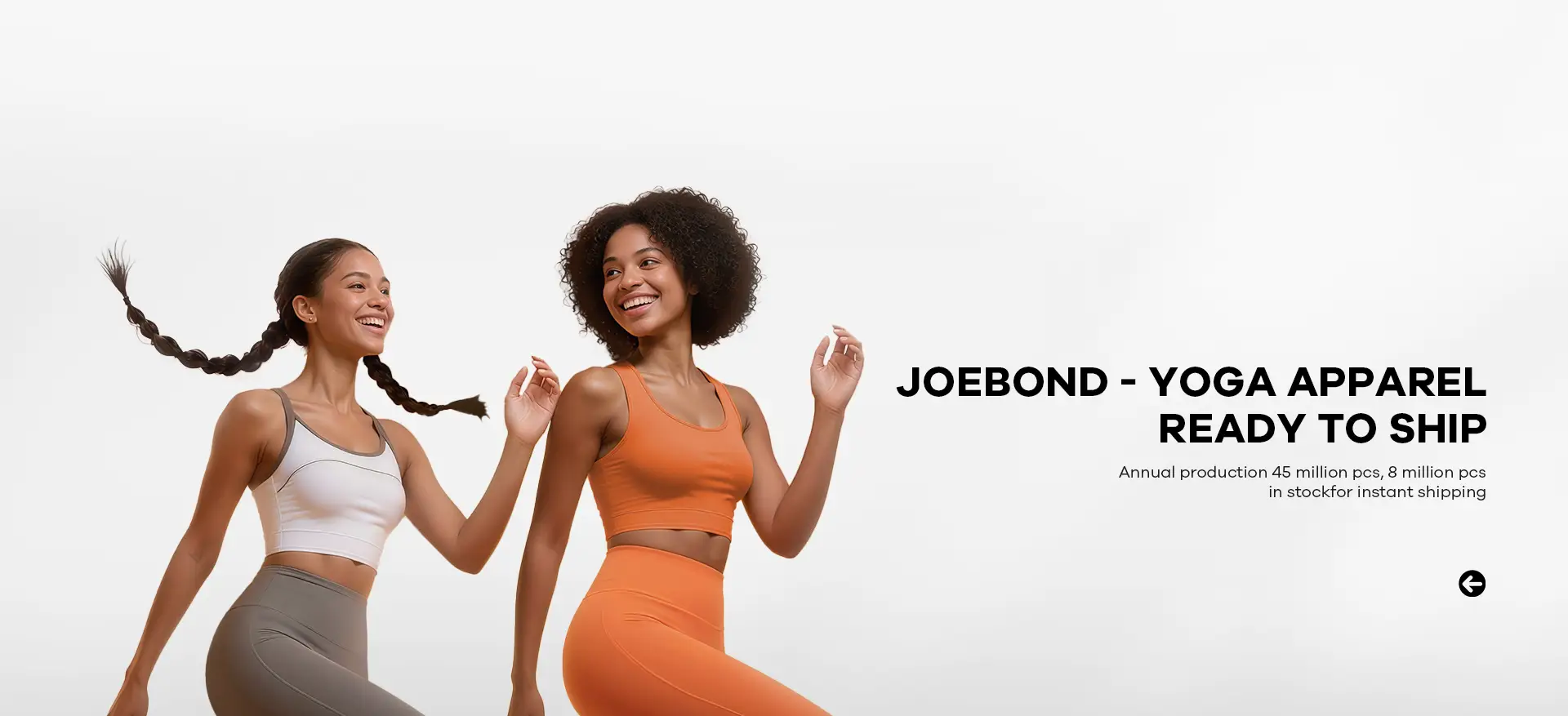
These rules lead straight to what you need from a partner: consistent execution, predictable costs and documented material sourcing. When that practical balance matters most, Joebond. —

