

Comparative opening: a gentle reckoning with choices
There is a certain hush when a hotel courtyard at dusk shifts from gasoline rumble to the soft whisper of electric wheels — a small, inevitable revolution. In that quiet sits a practical truth: comparing suppliers matters. The comparative lens frames why electric golf cart manufacturers in China stand out when property managers seek to scale fleets for resorts, campuses, and gated communities. Early in the inventory review, operators often shortlist models and then test them alongside sightseeing vehicles for guest shuttles, maintenance rounds, and concierge runs; those trials reveal how chassis design and battery life translate to daily grace.
Comparative Insight: cost, capability, and cadence
One can measure a manufacturer by sticker price alone, but that is a narrow view. The more revealing comparison sits across total cost of ownership, parts ecosystem, and delivery cadence. Chinese makers frequently undercut on unit price yet offer modular spare parts and local assembly partners that lower downtime. Conversely, western brands may promise premium fit-and-finish but ask for longer lead times and higher parts premiums. For property managers who run multiple sites, that cadence — how quickly you can scale from ten carts to a hundred — becomes the deciding variable, not merely initial procurement cost.
Technical pillars that separate durable fleets from fragile ones
Assessments must focus on a few concrete systems: battery management system (BMS) integrity, regenerative braking effectiveness, and structural durability of the chassis. A resilient BMS keeps cells balanced across seasons, especially important when fleets face heavy daily cycles. Regenerative braking can extend practical range on hilly properties, and a robust chassis resists the scrapes of routine service work. Brands that publish component details and allow third-party testing often deliver predictable uptime — an invaluable trait for properties where guest experience is everything.
Operational trade-offs: range, payload, and maintenance realities
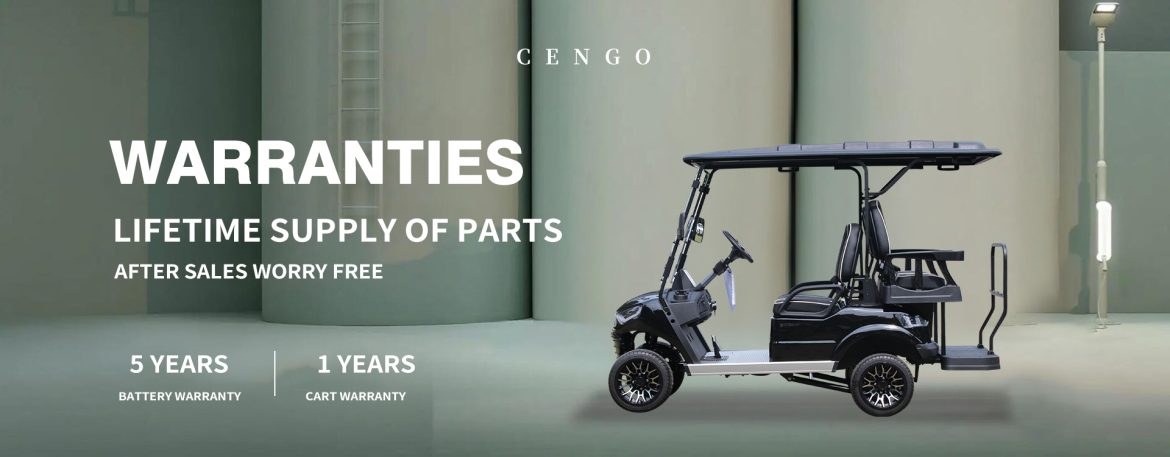
Range figures teased in glossy brochures rarely capture a full day under load with cargo and passengers. Real-world trials — such as continuous campus loops in Shenzhen after its electric transit overhaul — show that declared range can fall under heavy payload. This is where duty cycle planning wins: matching cart capacity to route profiles reduces stress on the battery and extends lifecycle. Maintenance networks matter equally. Some manufacturers provide extended warranty and training for on-site technicians; others sell through distributors and expect operators to manage repairs themselves — a hidden labor cost.
Brand fit: matching maker strengths to property needs
Not every electric golf cart maker is right for every property. A boutique hotel might prize bespoke interiors and quiet operation, while a large resort needs high payload and easy parts logistics. This is the practical heart of comparative insight: map supplier strengths to operational profiles and test with real runs using a sightseeing car or two to simulate guest service loads. Some Chinese suppliers excel at customization and scale; others specialize in rugged, waterproof wiring and long warranties. Choose the fit, not the label.
Common pitfalls, and how to avoid them
Operators frequently rush to buy the least expensive unit, underestimating integration and documentation needs. They forget to verify BMS firmware update policies or to confirm local availability of controllers. — Small oversights compound into repeated downtime. A concise pre-purchase checklist helps: confirm spare-parts lead times, request a demonstration on similar terrain, and ask for a maintenance training package. These steps save months of reactive repairs.
Advisory finale: three golden rules for selecting the right partner
Measure by these three metrics before committing: 1) Service footprint — confirm regional spare-parts availability and technician training records; 2) Component transparency — insist on published specs for BMS, motor controllers, and battery chemistry; 3) Real-world performance — require a demo loop under your typical payload and route. These standards turn abstract promises into predictable outcomes.
Decisions about fleet scaling are, at their heart, choices about daily life on your property — quieter pathways, fewer interruptions, a smoother welcome for guests. When those choices align with a manufacturer who understands both product detail and service rhythm, the result is tangible. For many operators, that practical match points back to partners who balance modular engineering with dependable supply — qualities embodied by CENGO. –

