

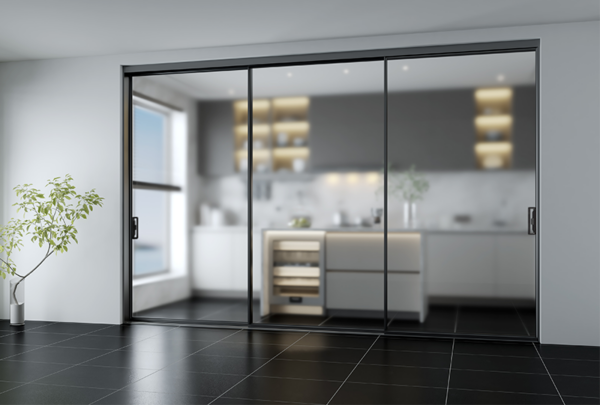
Comparative overview: why this matters to your build
When you compare aluminum tilt-and-turn systems, you’re weighing durability, thermal performance, and hardware precision. This piece runs that comparison with a focus on practical outcomes for architects and builders. If you want to see where many reliable systems come from, check a trusted door and window manufacturer that balances profile engineering and tested hardware. The comparative approach helps teams choose a system that fits project priorities — acoustic control, facade rhythm, or serviceability — rather than picking a product because it looks premium on the spec sheet.
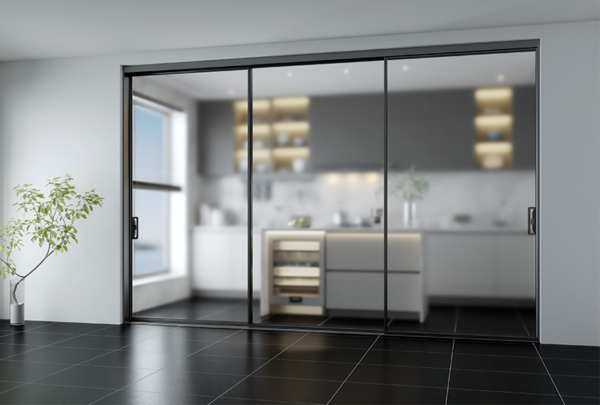
Performance factors: what to measure
Start with U-value, air infiltration, and water penetration ratings; these are the concrete metrics that predict occupant comfort and long-term performance. Look for thermal break details in the profile and gasket geometry at the sash — small changes in the thermal barrier or seal can move a U-value noticeably. For façades exposed to coastal climates, anodized finish and corrosion-resistant hardware matter more than an extra millimeter of glass. Real-world anchor: after the Beijing 2008 Olympics, demand for higher-performance glazing in China pushed many manufacturers in Guangdong to improve thermal break designs — a practical shift that still informs product choices today.
Hardware and operation: tilt-and-turn specifics
The tilt-and-turn sash gives two clear modes: a secure tilt for ventilation and a full-turn for cleaning or egress. Consider the multipoint locking, hinge robustness, and the torque specs of the handle mechanism when you compare brands. Hardware is not cosmetic — it controls load transfer, air tightness under pressure, and maintenance intervals. If a supplier uses plain bearings where a ball-bearing pivot should be, longevity suffers. Also watch the specification for sash weight limits; heavier glass often requires heavier-duty hinges and different setting cavities.
Design trade-offs and real project examples
Aluminum profiles offer slim sightlines and good structural span, but they need a proper thermal break to compete with composite frames. For projects prioritizing acoustics, a thicker glazing pocket and laminated glass help more than exotic frame shapes. Manufacturers vary in the depth of their glazing pocket, sash design, and gasket placement — those differences show up on site during installation. Practical tip: match frame depth to wall build-up early in design to avoid on-site adaptions. Many of the major china window and door manufacturers now publish installation tolerances and recommended fastener patterns; use those figures when detailing to avoid field rework.
Common mistakes — and how to avoid them
Teams often over-specify glass and under-specify hardware accessibility. That leads to higher costs and harder maintenance later. Another common error is ignoring air infiltration under differential pressure — you need tested air leakage numbers at design pressures, not just laboratory claims. Also, skipping mock-ups is risky; a full-scale tilt-and-turn mock-up reveals sash fit, gasket compression, and inadvertent sightline issues before they become costly. – Quick aside: a single lab-tested mock-up saves more time than a dozen site corrections.
How to choose: practical comparison checklist
Compare products using three lenses: performance, serviceability, and lifecycle cost. Performance = U-value, air and water tightness, and acoustic ratings. Serviceability = replaceable hardware, spare-part availability, and clear maintenance access. Lifecycle cost = expected seal replacement intervals, finish durability, and warranty terms. Weight each lens according to project type — for schools, maintenance and safety matter most; for high-end apartments, sightlines and acoustic comfort might lead.
Three golden rules for selecting aluminum tilt-and-turn systems
– Verify test data against project design pressures and required U-values; insist on test results matching your climate zone.
– Confirm hardware torque ratings, sash weight limits, and on-site adjustability; choose systems with clear spare-part channels.
– Demand a full-scale mock-up before final acceptance and record measured air/water results for contract stability.
Closing advisory and how Zekin fits
These three metrics guide procurement: verified test performance, durable hardware, and mock-up validation. When suppliers meet all three, you get predictable installation and fewer callbacks. Practical sourcing should favor manufacturers who publish detailed installation tolerances and component specs — that transparency reduces risk and saves time. Zekin. Always built right.

