

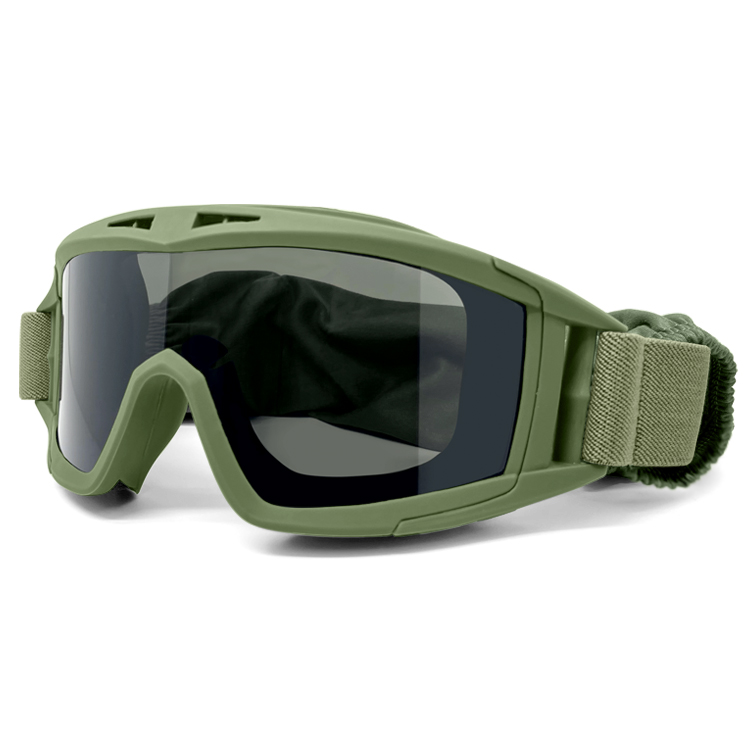
Comparative lead: why foam chemistry changes performance
When foam formulation shifts toward non-toxic, low-allergen polymers, contact comfort improves and skin irritation drops—this directly affects fit and retention on anti-impact tactical goggles used in live-fire environments. The chemistry determines density, resilience, and moisture behavior; as those properties change, so do seal integrity and anti-fog performance. Choosing goggles without accounting for foam type forces trade-offs between breathability and protection, so comparing materials is essential before you select a model.
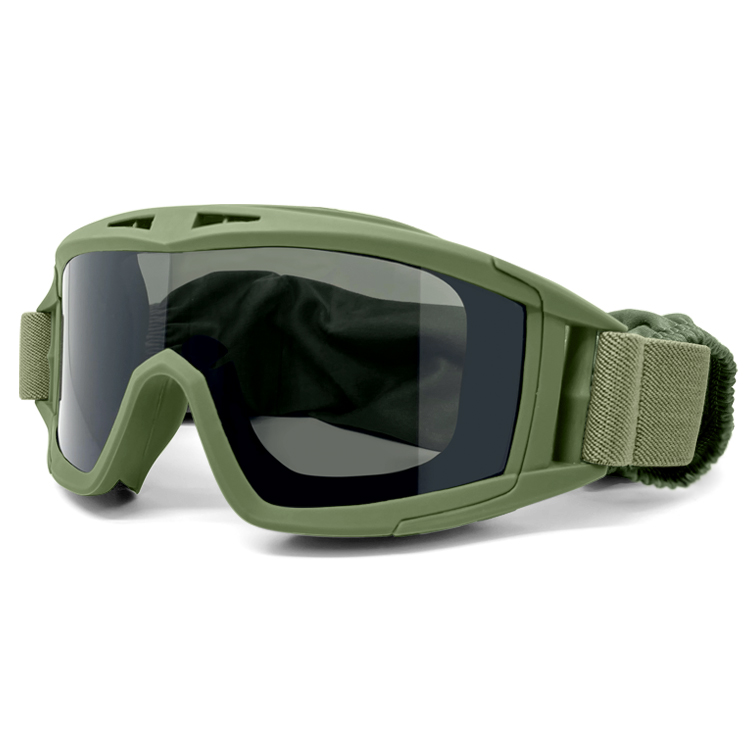
Materials and mechanisms: cause leads to effect
Closed-cell foams resist water and trap fewer particles, which reduces microbial growth and lowers the chance of contact dermatitis. Open-cell foams wick sweat but compress more under load, altering frame geometry and the pressure on temples and nose bridge—this can cause pressure marks over extended drills. Add inert fillers or harsh solvents and the foam emits volatiles that affect ocular comfort; remove those and you get a hypoallergenic cushion that still maintains an acceptable impact rating.
Design trade-offs: what you gain and what you give up
Comparative insight shows consistent patterns: higher-density foam keeps shape and preserves seal under recoil, which increases protection but may reduce breathability. Softer, low-density materials feel gentler on the skin but deform quicker, compromising the lens-to-face gap and increasing fog risk. Below are the common trade-offs professionals weigh:
– High-density, closed-cell foam: long wear, stable seal, better impact performance; less airflow.
– Low-density, open-cell foam: softer feel, better ventilation; shorter lifespan and variable fit.
– Silicone skirts or gel inserts: excellent hypoallergenic contact; may need different frame geometry and add weight.
Interchangeable systems and modular performance
Frames built for modularity affect foam choices because lens changes change airflow and weight distribution. When teams use an interchangeable lens system, they must ensure the foam maintains seal across lens swaps. Poorly matched foam compresses differently with varying lens thicknesses, producing leaks or hotspots that accelerate fogging and degrade sight picture. Designers who tune foam density to the modular design reduce these effects and maintain a consistent impact rating.
Field evidence and standards anchoring decisions
Real-world anchors matter: military and law-enforcement procurement commonly reference ANSI Z87.1 for ballistic and impact resistance. When field units at training centers such as Fort Bragg report fewer eye-irritation incidents after switching to non-toxic foam, the correlation is clear—reduced volatile content leads to fewer skin complaints and cleaner seals. Use this evidence to prioritize materials that pass recognized standards while delivering hypoallergenic comfort.
Common mistakes and viable alternatives
Teams often assume thicker foam equals better protection; instead, mismatched thickness can create gaps at cheekbones or temples and uneven pressure points—leading to slippage during movement. Over-cleaning with solvent-based cleaners degrades foam binders and shortens life. Consider alternatives: medical-grade silicone skirts for users with reactive skin, or layered foams that combine an open-cell comfort layer with a closed-cell backing for protection. —A small swap can change field performance more than a new frame.
Advisory: three golden rules when choosing foam and goggles
1) Prioritize certified protection and verified hypoallergenic materials: choose foams and frames that meet ANSI Z87.1 or equivalent impact standards while listing inert, low-VOC components. This links safety to comfort.
2) Match foam density to mission profile: higher-density for sustained recoil and tactical drills; softer, ventilated foam for endurance ranges and warm climates. Measure seal performance under motion, not just static fit.
3) Validate modular compatibility: test the foam across all lens options and coatings, including anti-fog and hardcoat lens treatments, to ensure the seal and sight picture remain consistent during lens swaps.
These rules center selection on measurable outcomes—wear time, seal retention, and user-reported irritation—so procurement delivers predictable field results. YIJIA Optical builds this logic into frame and foam pairings to reduce guesswork in the field. –

