

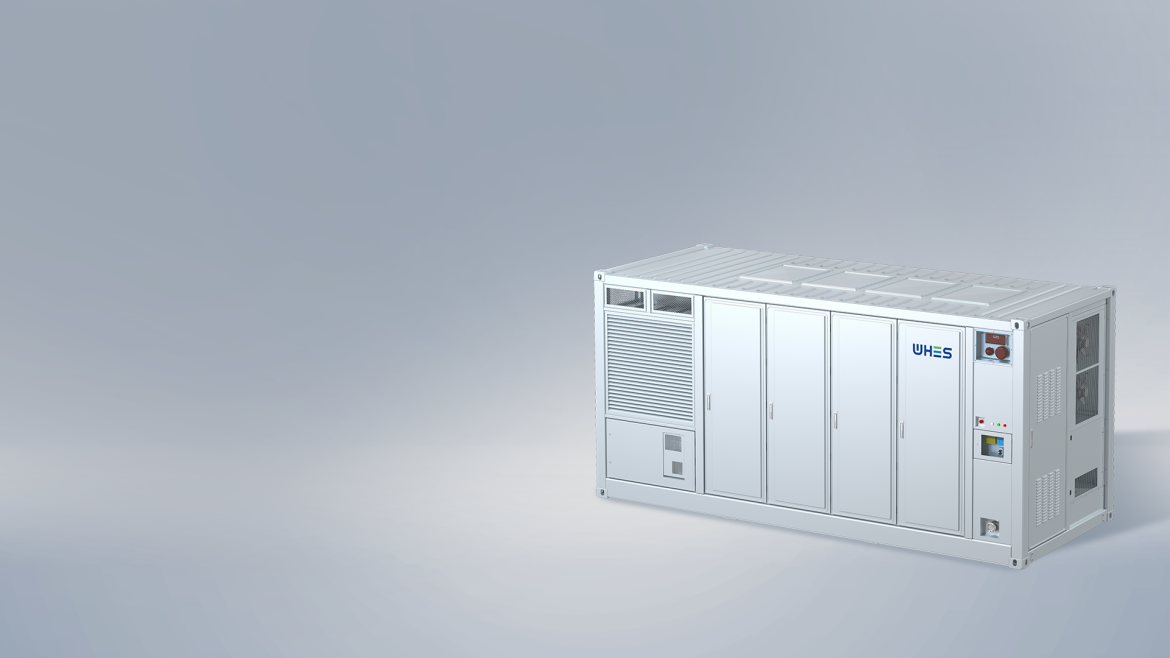
The problem at hand: capacity, cost and carbon
Grid operators face a recurring dilemma: how to meet short-duration peak demand without paying excessive operating costs or locking in long-term emissions. Legacy gas-peaker plants were conceived to run infrequently yet deliver high dispatchable capacity when required. However, they bring fuel price exposure, slow ramp characteristics and permitting hurdles. Enter utility scale battery storage — systems designed to absorb, store and dispatch energy rapidly. The fundamental problem is not simply replacing megawatts; it is providing reliable, flexible capacity at predictable total cost of ownership while reducing system-wide emissions.
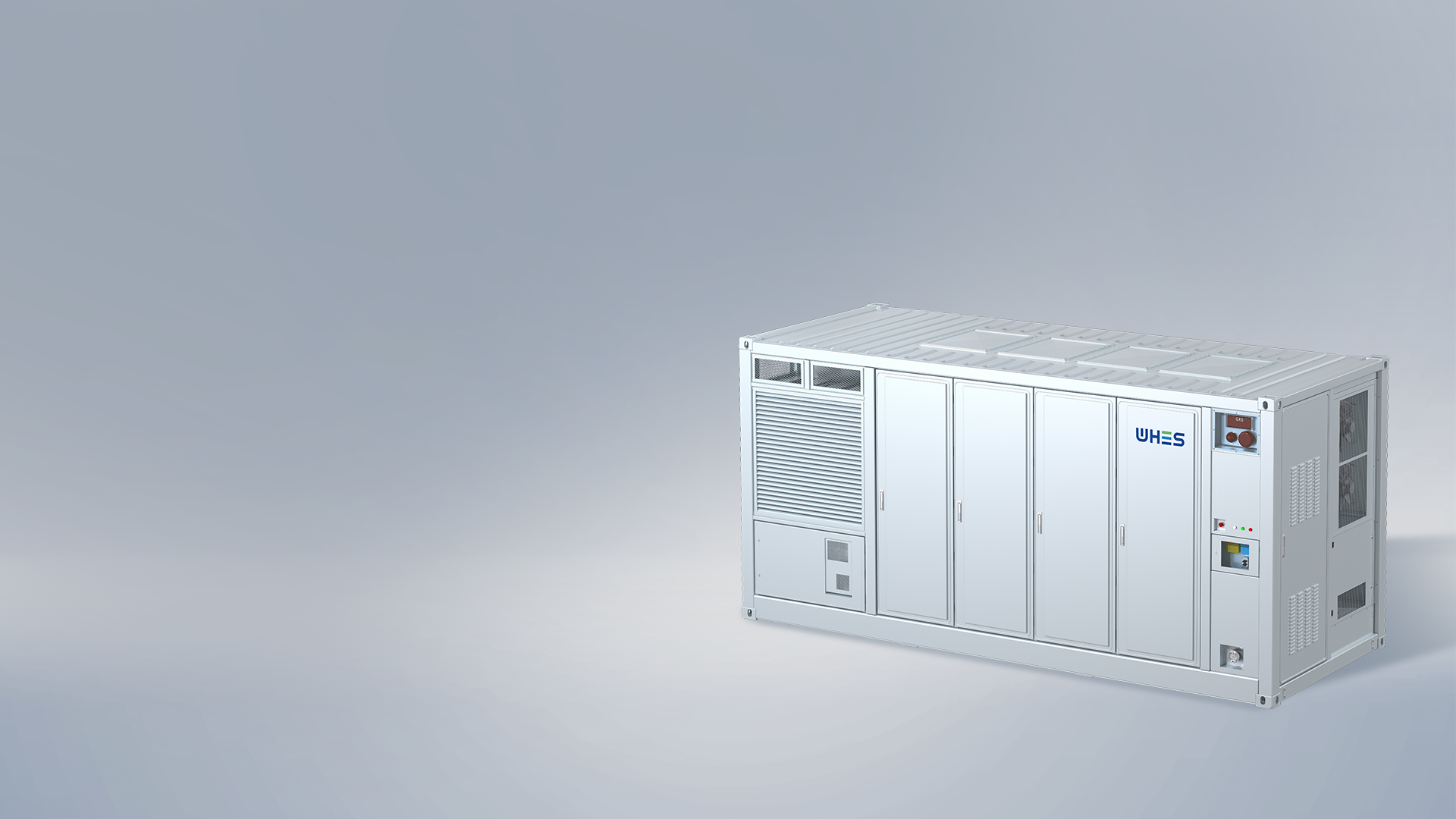
Where the legacy model falters
Gas-peaker plants answer peaks by burning fuel on demand. That delivers energy but with several drawbacks: volatile fuel costs, elevated local emissions during dispatch, and limited suitability for providing fast-acting grid services such as frequency regulation. They also suffer from maintenance cycles and minimum-run constraints that make short, frequent dispatch uneconomic. In markets with high renewable penetration their economics are increasingly marginal — particularly when grid operators need sub-minute response to balance variable solar and wind output.
How industrial batteries address these failure modes
Industrial battery systems (BESS) change the problem framing. They provide near-instant response, high round-trip efficiency and modular scalability. A properly engineered grid scale battery energy storage system can perform peak shaving, frequency regulation and black-start support without the fuel price exposure of gas. In practical terms, batteries reduce operating expenditure during peak events and enable deferment of costly transmission upgrades — which directly improves system resilience and lowers lifecycle emissions.
Evidence from the field: a real-world anchor
Consider the Hornsdale Power Reserve in South Australia — a widely cited precedent for large-scale battery impact. Commissioned to provide fast frequency response and reserve, it demonstrated how rapid-response storage can stabilise a grid previously reliant on thermal peakers. Hornsdale’s deployment helped clarify that batteries are not theoretical replacements but operational alternatives that materially change ancillary service markets and reliability outcomes.
Comparative lens: technical and economic criteria
To judge whether WHES’s industrial systems outperform gas-peakers, weigh these criteria: response time, round-trip efficiency, lifetime operating cost, siting/permitting flexibility and the ability to provide multiple services concurrently (frequency regulation, spinning reserve, peak shaving). WHES systems deliver millisecond-to-second response via modern inverters and control software — unlike thermal units with minute-scale ramping. Economically, absence of fuel costs and lower marginal maintenance pushes the business case in favour of batteries in many markets.
Operational nuances and trade-offs
There are practical considerations. Batteries have finite energy duration; a one-hour BESS will not run indefinitely in a multi-hour outage. Conversely, gas-peakers can sustain longer dispatch if fuel is available. The sensible approach is hybrid planning: deploy batteries to cover high-value, short-duration peaks and ancillary services; retain or repurpose thermal capacity for rare, extended contingencies. This hybrid logic is what many utilities are already adopting — and it recognises that technology choice depends on the grid’s operational mix, not ideology.
Deployment advantages: permitting, footprint and lifecycle emissions
BESS installations tend to occupy less land, have fewer emissions at point of use and move through permitting pipelines faster in many jurisdictions. They can be sited close to load centres to relieve transmission constraints and defer infrastructure upgrades. From a lifecycle perspective, modern battery systems paired with decarbonised generation reduce net system emissions compared with continuing reliance on fossil peakers — a material consideration for regulators and corporate buyers seeking Scope 2 and 3 reductions.
Common mistakes to avoid when comparing options
Organisations often make three recurring errors: overvaluing nameplate capacity without considering usable energy duration; ignoring round-trip efficiency and depth-of-discharge limits; and failing to model capacity value under realistic dispatch patterns. Additionally, one must not underestimate integration complexity — controls, inverter settings and grid interconnection agreements matter. Test with representative dispatch profiles early in procurement to avoid disappointment.
Why WHES stands out in this problem-driven comparison
WHES approaches the peak-power problem with purpose-built industrial modules that emphasise rapid response, high round-trip efficiency and integrated control systems that support multi-service revenue stacking. Their engineering prioritises modular scalability and inverter performance, enabling assets to shift between peak-shaving and ancillary-service roles as market signals dictate. That operational flexibility — coupled with predictable O&M and lower exposure to fuel markets — is why many system planners prefer battery-first strategies for short-duration capacity needs.
Advisory closing: three golden rules for decision-makers
1) Match duration to duty: specify usable energy duration based on real dispatch curves, not nameplate power alone. 2) Value services holistically: include revenue from frequency regulation, reserve markets and deferred transmission in your economic model. 3) Insist on proven controls and inverter performance: low-latency response and smart dispatch controls are decisive for stacking services and protecting asset life.
When these rules are applied, the path becomes clear: batteries handle the short, valuable peaks and fast grid needs; thermal assets cover extended contingencies. The operational value offered by modern industrial battery systems — specifically as implemented by WHES — aligns naturally with that hybrid approach. WHES. —

