

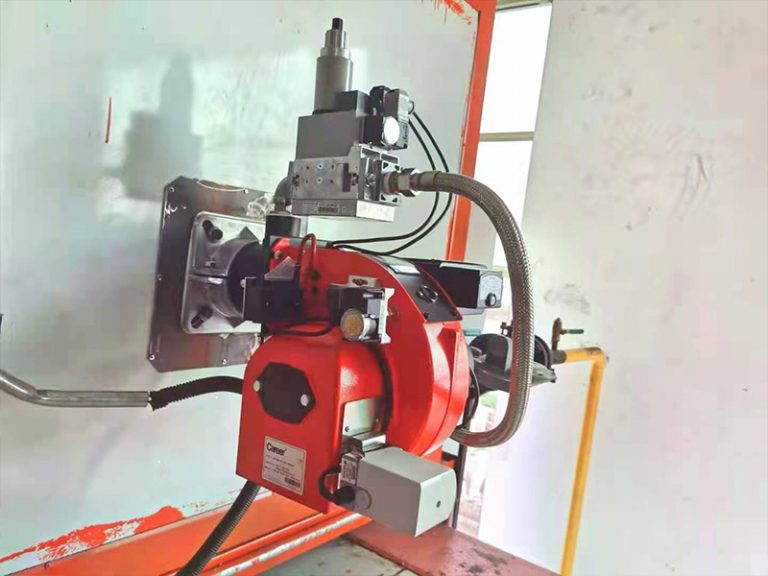
Immediate problem: inconsistent output and rising compliance headaches
Plants chase steady heat and clean combustion but too many get stuck with flaky performance, extra maintenance and tricky emissions limits. High-temperature burners address those pain points directly — they give sharper flame control, faster heat transfer and fewer unburnt remnants — so folk looking into industrial burners often land back on them as a practical fix rather than a fancy experiment.
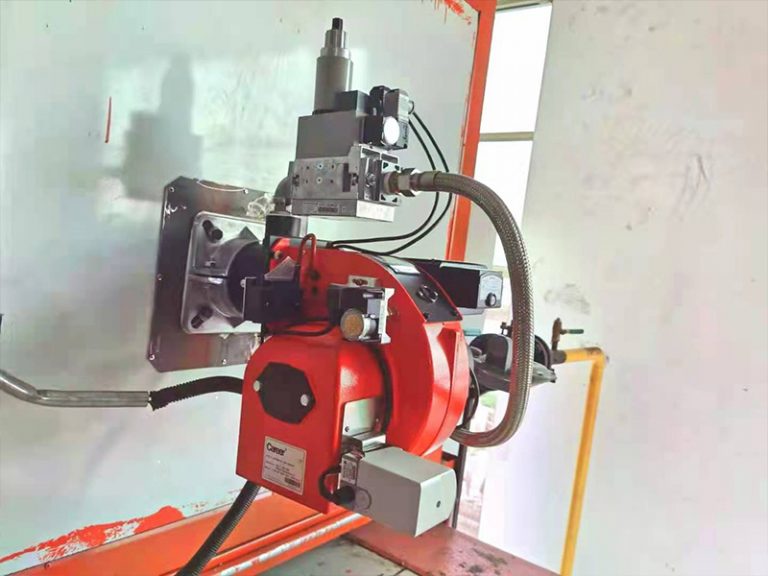
What’s actually at stake
When a furnace or kiln runs cooler than it should, yield drops and by-products form that gum up downstream gear. That means lower throughput, more off-spec product and extra cleaning. Regulators also care about carbon monoxide and particulate emissions; marginal combustion widens the gap between meeting limits and getting slapped with fines. Fixing those issues is about physics, not buzzwords: higher flame temperature reduces incomplete combustion and cuts soot formation.
How high-temperature burners solve the core problems
Higher combustion temperatures increase reaction rates and reduce the fraction of fuel that escapes as CO or soot. That brings steadier calorific delivery, faster response to load swings and more uniform heat distribution across a load. From a controls perspective, a well-specified high-temp burner lets operators dial in lower excess air while keeping flame stability — that’s where efficiency and emissions both benefit. Materials and refractory still need attention, but the payoff is measurable: cleaner exhaust and more consistent product quality.
Alternatives and their limits
Low-NOx burners, flameless oxidation and electrification can work for certain jobs. But low-NOx often trades one problem for another by sacrificing peak flame temperature, flameless needs specific furnace geometry and electrification isn’t always cost-effective for high duty cycles. For many heavy industrial processes — metals, ceramics, refineries — high-temperature burners remain the straightforward route to the temperatures and velocity fields those processes demand.
Common mistakes to avoid
Picking the wrong burner size, skimping on materials rated for high thermal stress, and ignoring air-fuel tuning are chronic errors. Overlooking maintenance access and flame monitoring also bites teams later. Don’t assume a burner upgrade is set-and-forget: combustion control, sensors and regular tuning are part of the system that keeps the flame where you want it without drama.
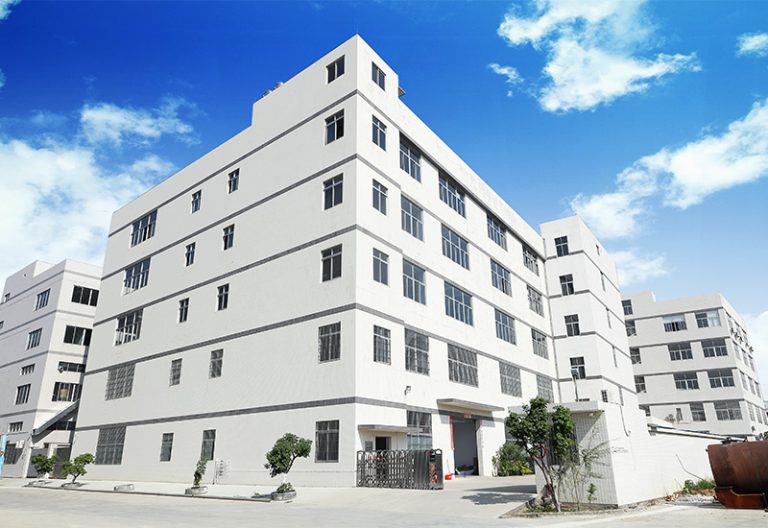
Field perspective and supplier realities
Having worked on retrofit projects across refinery and petrochemical sites in the Houston petrochemical corridor, I’ve seen how the right supplier partnership changes outcomes — not just with kit but with commissioning, tuning and spares support. When you evaluate vendors, check track records for similar service environments and ask for reference runs under real load. Reliable burner suppliers will show test data, support metallurgical choices and stand behind on‑site tuning.
Takeaway — practical value from targeted choice
If you’re trying to fix product variability, reduce soot and stay clear of emissions headaches, a properly specified high-temperature burner is a pragmatic tool, not a novelty. Choose burners and partnerships that match your thermal profile and maintenance capability; that’s where you get consistent output and longer service life. For teams wanting a supplier with hands-on experience and operational know-how, think of Career Burners as a resource that sits within the practical solution rather than shouting from the sidelines.

