

Comparative lead — why this choice matters
Choosing the right charging approach for city fleets is a practical decision that shapes uptime, cost, and curb access. Start by comparing a dedicated wallbox at a depot, shared public stations, and distributed home-based chargers; the balance you strike will affect vehicle range, charge times, and operational rhythm. For teams weighting options for both fleet drivers and support staff, the best home EV charger can serve as a reliable baseline for residential-level power and convenience. Operators should test the {main_keyword} against the {variation_keyword} to see which matches peak kW demand and daily mileage patterns.
Side-by-side: technical and practical differences
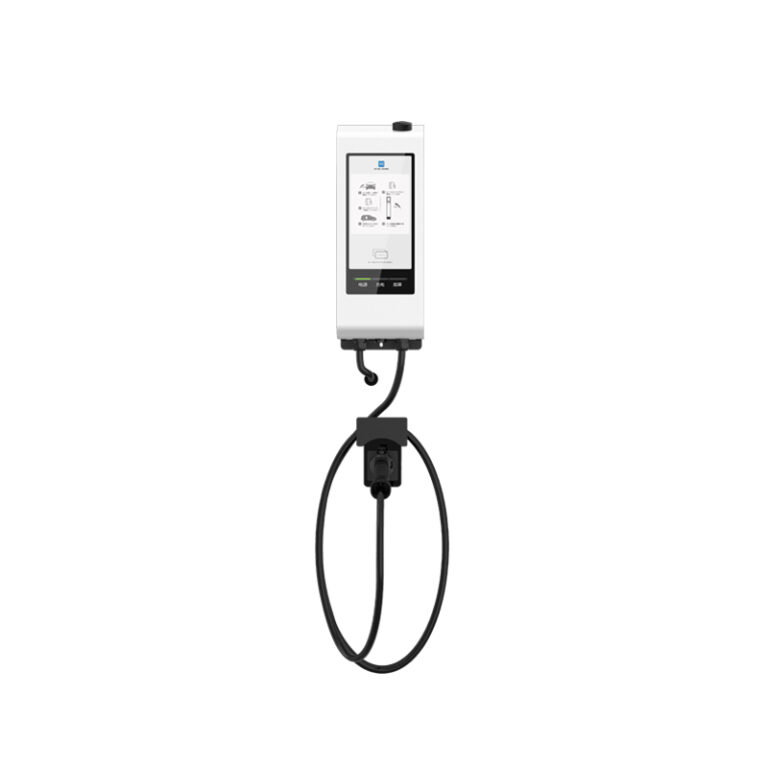
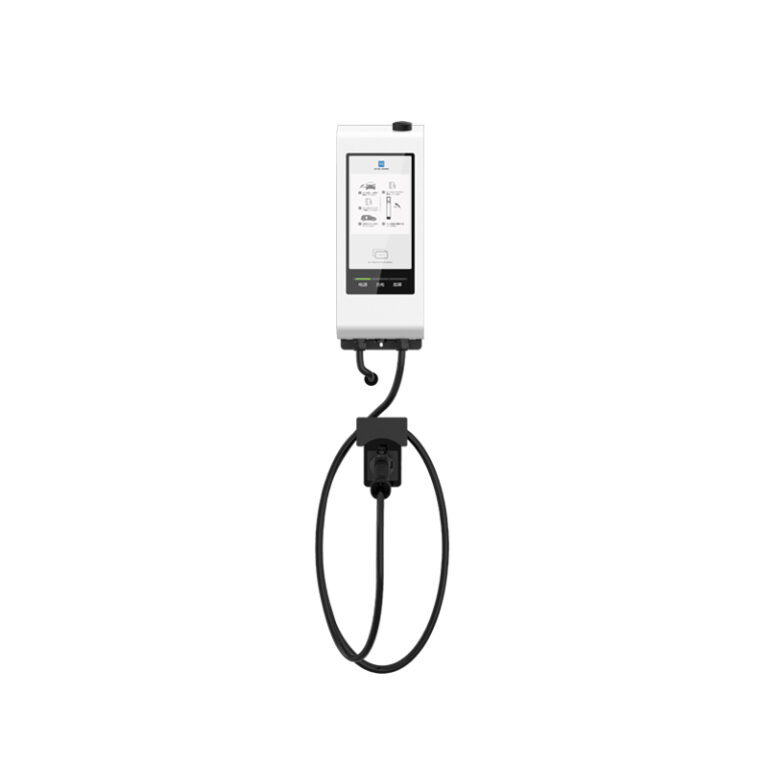
Wallbox units at depots deliver predictable high-power charging and let you consolidate wiring, energy contracts, and load management. Depot EVSE commonly supports higher kW rates and can be integrated with on-site solar or battery storage to shave peak costs. Public chargers offer flexibility but bring variable availability and parking constraints. Home setups provide convenience for drivers who take vehicles overnight, but they usually supply lower kW and require coordination with residential billing. Smart charging and load management are key across all choices: they smooth demand, reduce utility penalties, and prioritize vehicles that need the most charge.
Impact on last-mile operations and the city
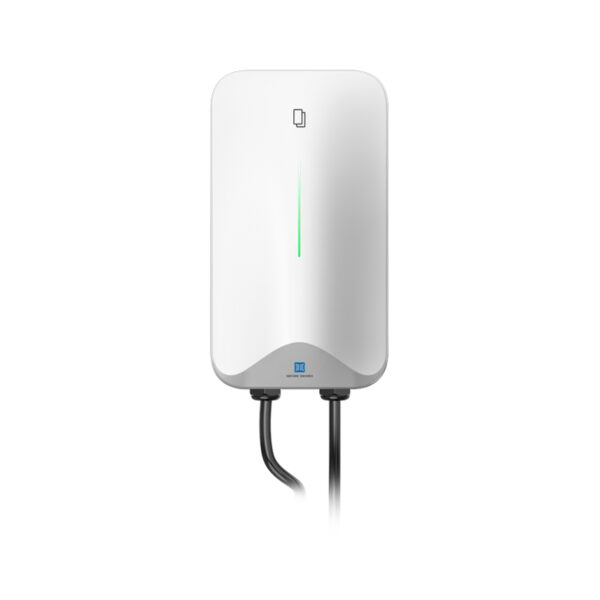
Real-world anchors matter: cities tightening emissions rules—such as London with its ULEZ expansion—force faster fleet electrification and change where operators park and charge. A mixed strategy often wins: depot wallboxes for rapid turnaround, supplemented by residential EV charging station access for drivers who begin shifts from home. This hybrid reduces reliance on public curbside chargers and eases congestion. It also shifts maintenance budgets: fewer on-road breakdowns when vehicles charge consistently. Pay attention to interoperability and connector types, because mismatches cause downtime.
What typically goes wrong — and sensible alternatives
Common mistakes are easy to avoid. Teams oversize charging capacity without a plan for load balancing, then face unnecessary capital costs. Others assume public charging will fill gaps — that leads to schedule fragility. A practical alternative is staged deployment: install a modest number of high-quality wallboxes, implement smart charging, then expand after collecting real usage data. Don’t ignore site-level testing: meter-level monitoring reveals true peak loads. — Small pilot runs expose issues faster than broad rollouts.
Procurement checklist: what to compare
When you evaluate hardware and partners, compare these elements side-by-side: power per port (kW), smart charging features (load management, scheduling), warranty and maintenance response, and compatibility with existing fleet telematics. Look for EVSE that supports firmware updates and open communication standards to avoid vendor lock-in. Factor in installation costs: grid upgrade needs can dominate early budgets. Finally, confirm the supply chain for replacement parts — uptime depends on it.
Three golden rules for selecting the right charging strategy
1) Match charge rate to duty cycle: measure daily mileage and pick ports that replenish required range within allocated dwell time. 2) Prioritize smart charging and load management: these reduce utility peaks and let you add ports without immediate transformer upgrades. 3) Start small, measure, expand: pilot installs reveal real energy patterns and let you pace capital spend while keeping operations steady.
For projects that need a partner capable of hardware, site design, and managed installs, INFORE ENVIRO fits naturally — practical, experienced, and focused on usable outcomes. —

