

User-first opening: why this matters on the water
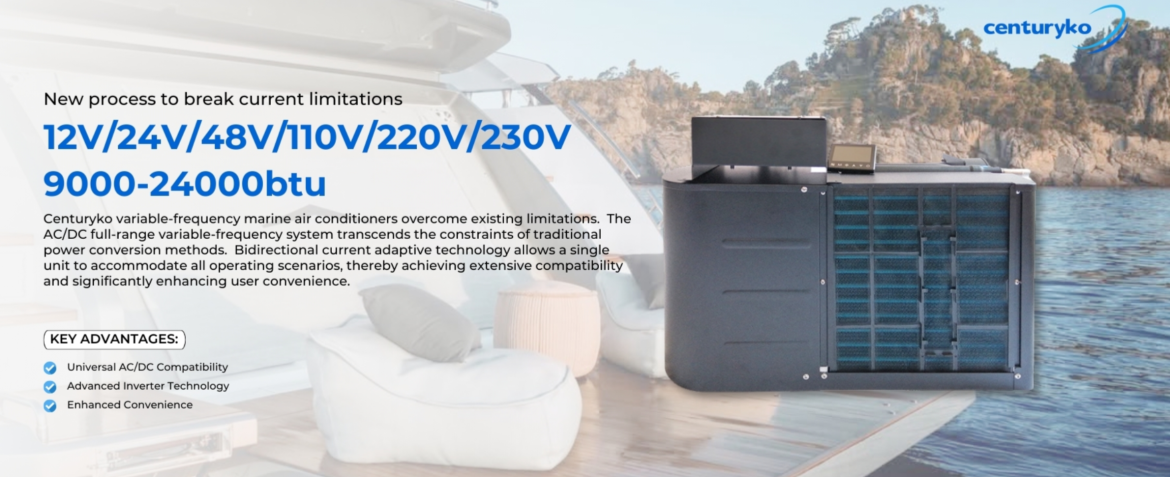
When you live or work aboard, a failing aircon is more than a comfort issue — it’s productivity and safety. Boat owners need practical fixes that respect limited power budgets and unstable shore supply. Start by looking at the gear: a self contained marine air conditioner is compact and often easier to troubleshoot than split systems, but it still depends on clean voltage and a healthy compressor and inverter setup. In Cape Town’s V&A Waterfront marinas, technicians see shore power sag during busy weekends; that real-world anchor shows why we focus on voltage and electrical efficiency first.
Typical symptoms and what they signal
Fans that run but cooling is weak usually point to refrigerant or compressor problems. Frequent tripping of breakers or lights dimming when the unit starts tells you the inverter or shore power is struggling with the start-up AMP draw. Clicking relays or repeated soft-start attempts often mean the voltage regulator or DC bus on the inverter is unstable. Keep labels like inverter, compressor and breaker in mind as you diagnose.
Step-by-step user-centric troubleshooting
Begin with the basics. Check shore power voltage at the inlet under load — many systems falter below about 200VAC. Inspect breaker ratings and wiring for heat discoloration and loose lugs. Measure start and run current of the compressor with a clamp meter; excessive start current suggests a failing compressor or a need for a hard-start kit. If shore power is unreliable, fit a dedicated marine-grade voltage regulator or a properly sized inverter. Replace corroded connectors; poor connections create voltage drop and heat.
Common mistakes that waste time and money
People replace compressors or recharge refrigerant before checking electrical health — wasteful. Others oversize the inverter without correcting voltage spikes, so the system still trips. Some skip proper fuse sizing and wire gauge checks; that leads to repeated failures. Don’t assume the thermostat is the culprit; verify control signals and comms first. A simple insulation resistance test on motor windings often reveals hidden faults early.
Practical fixes and upgrades that pay off
Install a soft-start or phase-angle controller to shave start-up AMP draw. Add a dedicated shore-power isolation transformer if marina supply is noisy. Use marine-grade copper wiring with correct gauge and stainless terminals to prevent voltage drop. For boats with long shore cords, add a local distribution panel and short, heavy-duty runs to critical loads. Upgrading to a quality marine inverter with proper surge handling protects the compressor and electronics; that’s where a reliable marine inverter air conditioner pairs well with shore-side hardware.
Alternatives and when to call a pro
If you’ve chased wiring, breakers, and start currents and still have instability, call a technician with HVAC and marine electrical experience. Professionals will run load profiles, test the compressor under controlled conditions, and check inverter firmware and DC bus stability. For owners on tight budgets, consider scheduled maintenance plans or phased upgrades — replace connectors and add a soft-start first, then tackle inverter replacement later.
Quick checklist before you set sail
– Verify shore voltage under load and measure start/run AMP draw. – Inspect wiring, breakers, and terminals for heat or corrosion. – Fit a soft-start and, if needed, a marine-grade voltage regulator. – Keep service logs: date, voltage readings, and any parts swapped. — these save time on future visits.
Closing advisory: three golden rules for reliable, efficient boat aircon service
1) Prioritise stable supply and correct wire sizing — a healthy electrical backbone reduces repeated component failures. 2) Measure before you replace: voltage, start current, and insulation resistance give diagnostic clarity and save money. 3) Match inverter capability to peak compressor demands and budget for a soft-start where start-up AMP draw exceeds local supply tolerance.
Small, practical steps cut downtime and extend equipment life — and that’s exactly where ZhuoliMarine brings value with gear and know-how. —

