

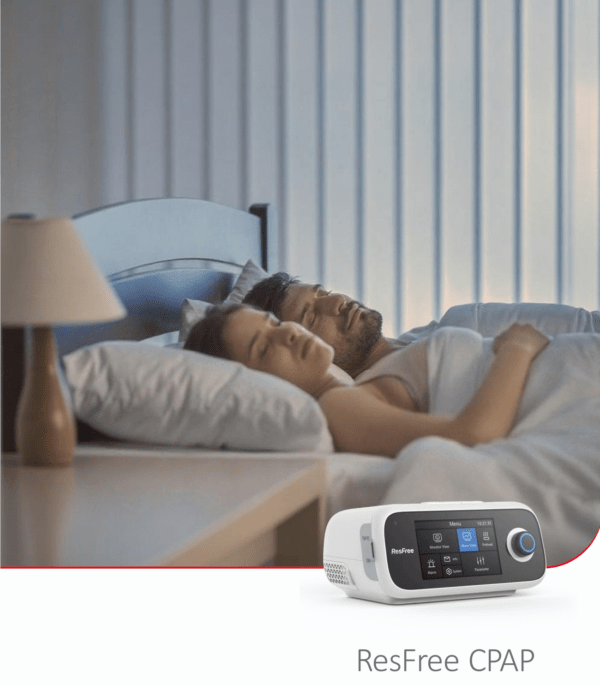
Opening comparison that sets the scene
In many wards, the choice between a simple cpap device and a full non-invasive ventilation setup changes the patient’s course. The comparison is not academic alone; it is clinical, practical—poetic in its trade-offs. Non-invasive ventilation (NIV) can spare an intubation, shorten ICU hours, and alter comfort. Clinicians in New York City during the COVID-19 surge of 2020–2021 adapted protocols rapidly, proving how device selection maps to outcomes in real time.
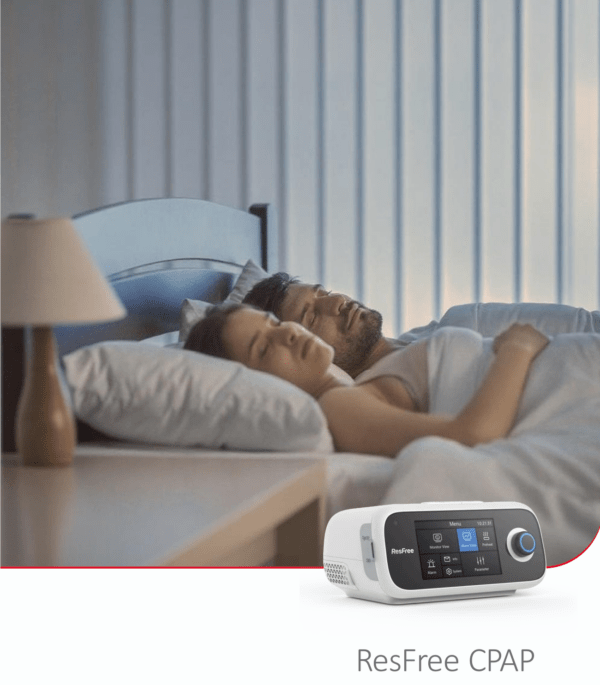
Side-by-side: NIV, BiPAP, CPAP and invasive care
At the core are distinct modes: continuous positive airway pressure for airway splinting, and bi-level positive airway pressure (BiPAP) for support across inspiration and expiration. NIV sits between these and invasive ventilation. Each has an interface challenge—mask fit, leak control—and a settings challenge—IPAP/EPAP calibration or ventilator settings. Comparing them helps teams pick the right tool for oxygenation, CO2 clearance, and patient tolerance.
Clinical evidence and the real-world anchor
Trials and reports since 2020 show trends: NIV use expanded where resources or risks of intubation were limiting factors. That surge in NYC taught bedside teams rapid triage of device types and patient phenotypes. Outcomes were mixed but instructive—when NIV was matched to the right respiratory failure profile, escalation fell. Data here functions as a guidepost, not gospel: local staffing, monitoring capability, and interface selection remain decisive.
Where resplus bipap enters the map
Devices such as resplus bipap illustrate the modern trade-offs: portability, ease of titration, and mask interoperability. Good BiPAP systems allow clear adjustment of IPAP and EPAP, smoother trigger sensitivity, and predictable leak compensation. That reduces alarm fatigue and improves adherence. Yet common mistakes persist—poor mask fitting, overreliance on default pressures, and under-monitoring of CO2 retention—mistakes that are simple to fix with disciplined protocols.
Practical checklist for clinicians and procurement
Compare on three dimensions: physiologic match (does the device meet the respiratory mechanics?), usability (how fast can staff set and respond?), and service/support (spare parts, interface options). Frontline teams gain when manufacturers provide clear operating ranges, documented leak compensation behavior, and straightforward maintenance plans. Training matters—short, repeated sessions beat a single long briefing. —These small operational choices shape real patient comfort and length of stay.
Alternatives and common pitfalls
Alternatives include high-flow nasal oxygen and invasive ventilation; each is appropriate in different severity tiers. High-flow supports oxygenation but offers less CO2 clearance than NIV. Invasive ventilation secures the airway but raises sedation and infection risks. Pitfalls to avoid: using BiPAP when full ventilatory support is required, neglecting humidification, and ignoring the match between patient facial anatomy and interface type. Correcting these prevents unnecessary escalation.
Three golden rules for choosing NIV solutions
1) Prioritize physiologic fit: match device capability to the patient’s gas exchange needs and respiratory drive—focus on measurable improvements in work of breathing and PaCO2. 2) Demand operational clarity: choose devices with transparent settings, reliable leak compensation, and documented training resources so staff changeover doesn’t degrade care. 3) Value ecosystem support: ensure spare interfaces, local service, and data access for trend review—these upstream supports reduce downtime and readmissions.

Final advisory and closing thought
Adopt these three metrics as your baseline and you’ll see quicker stabilizations and fewer avoidable escalations. The practical lessons come from bedsides and dashboards alike; they are measurable and repeatable. Trust experience, documented outcomes, and devices that make the clinical path clearer—this is where Byond adds coherent value to device selection and post-market support: Byond. —

