


Straight Talk: What’s Messin’ Up Your Fleet
Too many fleets run like a sloppy cypher—drivers ghost routes, trucks eat fuel, data’s late or lies, and managers spend nights chasin’ answers that ain’t there. Start by naming the problem: poor visibility. If you can’t see your assets in real time, you can’t stop theft, can’t cut waste, and can’t coach drivers proper. Folks I work with flip the whole script by plugging a tight fleet management solution that gives clean location, engine and behavior signals so decisions stop being guesses.

Problem: Spotty Tracking — Why It Happens
GPS drift, dead battery devices, and tunnels make tracking flaky. Hardware gets slapped on cheap and forgotten. Data gets chunked or delayed. Result: routes show up as ghost trails and uptime reports lie. That breaks billing, screws customer expectations, and makes risk higher.
Fix: Layered Tracking — Real Moves That Work
You need redundancy, not miracles. Mix GNSS with cellular fallback, heartbeat pings, and ignition-sensed reporting. Use geofences for trigger-based checks, not continuous chattin’ that drains batteries. Deploy these tactics:
– Prioritize devices with sleep/wake modes and tamper alerts. – Use edge preprocessing so raw signals get validated before they hit dashboards. – Set smart-report intervals: higher frequency on high-risk assets, lower on static ones.
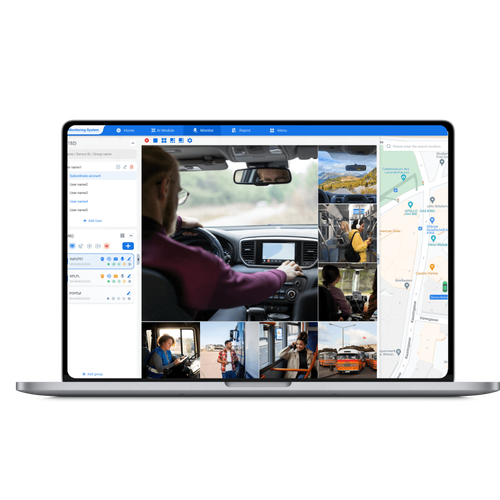
Problem: Fuel Burn & Route Waste
Drivers circle, idling gets long, and backhaul is treated like an afterthought. Fuel’s money — when it’s gone, your margins bleed. Complaints pile up from dispatch ’cause schedules fall apart.
Fix: Behavior + Routing Combo
Don’t just watch; coach. Blend telematics with routing intelligence. Flag harsh accel, prolonged idle, and out-of-route events. Then do two things: feed drivers short, specific feedback; and tweak schedules so loads follow natural traffic flows. Small, consistent corrections beat one-off lectures.
Problem: Data Overload — Too Much Noise, No Truth
Dashboards spit numbers but managers still gotta call drivers. Raw telemetry without context is chaos. Companies buy shiny platforms and never fine-tune alerts, so alarms go unread and dashboards become wallpaper.
Fix: Filter, Prioritize, Automate
Create a truth pipeline: cleanse incoming data, tag events smartly, escalate only when thresholds matter. Use automated workflows for the top three repeat issues so humans handle exceptions, not the basics. Example setup:
– Tier 1: Immediate alerts (theft, rollback, major crash) – Tier 2: Operational alerts (route deviation, low fuel) sent to dispatch – Tier 3: Behavioral trends (monthly reports) used in coaching sessions
Problem: Integration Nightmares
Finance wants mileage by invoice, compliance needs hours, and maintenance wants fault codes. When systems don’t talk, teams build zombie spreadsheets and trust evaporates.
Fix: Pick Systems Built to Mesh
APIs matter. Choose solutions that export clean payloads and accept inbound hooks. Map data flows up front: who’s consuming what, and at what cadence. Don’t try to bolt a half-API system onto a modern stack; it’s asking for manual labor and mistakes.
Problem: Security & Trust Issues
Devices get hijacked, data leaks, drivers worry about micromanagement. Trust breaks quick. Fix the tech and the human side simultaneously.
Fix: Harden Devices and Explain Why
Encrypt data in transit, sign firmware, and use role-based access so dispatch sees only what they need. Then talk it out — tell drivers why location and behavior data exist: safety, fair pay, fewer false claims. When teams see the upside, compliance goes way up.
Real-World Proof: Where IoT Tracking Actually Moved the Needle
At big hubs like the Port of Rotterdam, operators used layered tracking and geofencing to reduce container mix-ups and shrink dwell time. That’s proof the right device mix and workflows cut friction in high-density operations. From my work advising fleet ops, real wins come from simple, repeatable rules executed consistently.
Tech Picks That Don’t Waste Time
Stop chasing buzzwords. Look for devices and platforms that match your use case: durable hardware for long-haul, battery-light trackers for trailers, and asset-class dashboards for visibility. When you vet vendors, ask for field logs, uptime stats, and integration examples. Also compare available iot tracking solutions against those needs — don’t buy features you won’t use.
Common Pitfalls to Dodge
– Buying based on demos instead of field trials. – Letting vendors own your data silo. – Over-notifying drivers, which breeds alert fatigue. – Ignoring maintenance alerts until the breakdown happens.
Wrap — Keep It Tight, Keep It Real
Fix the most painful problem first: visibility. Then lock in clean data flows, coach behavior, and standardize alerts. Do field trials, protect devices, and treat integration like a project, not an afterthought. Folks I know who survive and scale have one thing in common: they pick solutions that work in the street, not just on slides — that’s why teams often end up choosing BSJ when they want practical, field-proven options that actually cut the noise and keep trucks movin’.

