


Choosing an AI Tutoring Partner: A Problem-Driven Guide for Educational Leaders
The problem that starts small and spreads
Classrooms promise progress but systems often deliver friction: mismatched content, opaque reporting, and tools that demand more teacher time than they save. Decision-makers see product demos that sparkle and then face classrooms that don’t change. When you hunt for an AI learning partner, clarity is the only defense; consider how an AI learning platform would sit beside your curriculum, your teachers, and your privacy rules before any contract is signed.

Where alignment fails
Tools break when they assume one-size-fits-all. Curriculum misalignment shows up as irrelevant practice items and confusing progress markers. Ask whether the system adapts to local standards, whether it translates diagnostic data into teacher-friendly next steps, and whether the learning pathways respect the sequence you already teach. A platform that can’t map to what your classroom values will create noise, not learning.
Data and privacy: the quiet deal-breaker
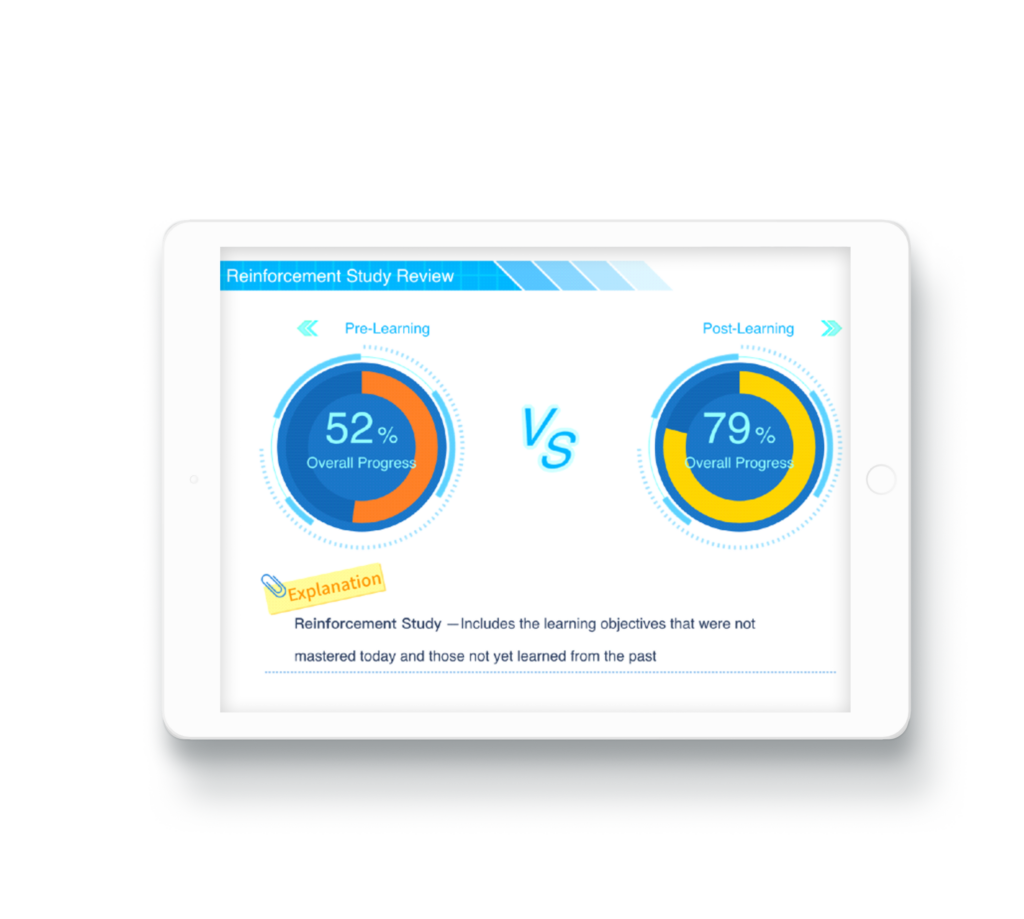
Student data is sensitive by design. Look beyond glossy dashboards. Demand clear answers about what is collected, how long it’s stored, who can access it, and whether the vendor will permit a data audit. If the vendor’s answers are vague, the tool is a liability. Clarity here prevents surprises that can derail adoption.
Teacher workflows and real workload
Teachers adopt what fits their day. Tools that add manual steps or require constant clicking won’t persist. Prioritize systems that produce concise, actionable insights—one-page summaries, targeted small-group suggestions, or printable supports—that reduce prep time. If teachers must translate platform data into lessons by hand, the platform is not integrated enough.
Scalability and predictable cost
Costs explode when licensing, implementation, and professional development are split across different invoices. Demand a total-cost projection that includes rollout training and a plan for steady-state support. Small pilot costs can hide large scale-up expenses; use a pilot to expose recurring time and resource demands, not to prove the product’s shiny abilities.
Technical fit: integrations that actually work
Single-sign-on, rostering, gradebook feeds—these integration promises matter. Confirm the vendor supports the standards you already use and requires minimal manual syncing. A platform that forces repeated roster fixes or frequent logins will frustrate teachers and families quickly.
Signals of credibility and what to avoid
Look for straightforward case descriptions and clear product documentation. Avoid vendors that rely on buzzwords without explaining classroom application. If a product’s evidence is anecdote-heavy and light on reproducible processes, treat claims with caution. Real credibility shows up as clear workflows and reproducible teacher materials, not marketing gloss.
Alternatives and their common pitfalls
Choices usually fall into three buckets: human-only tutoring, blended models that pair humans with tech, and fully automated systems. Human tutors excel at motivation but scale poorly. Blended models reduce cost but complicate logistics. Fully automated systems scale well but can miss nuance. Evaluate trade-offs honestly; the right move often combines targeted human support with adaptive software. When comparing options, test how each handles a single student case from diagnosis to an instructional recommendation.
Practical checklist for vendor conversations
Ask these direct questions: How does your system map to our standards? What data is collected and why? How will teachers receive recommendations? What are true rollout costs? Can we run a time-boxed pilot with measurable teacher workload metrics? If answers are long on promise and short on concrete steps, walk away.
Synthesizing the problem into a practical path forward
The real decision isn’t brand vs. brand; it’s whether a solution reduces friction and produces clear, repeatable classroom actions. Narrow your shortlist to platforms that demonstrate curriculum alignment, transparent data practices, minimal teacher overhead, and predictable scaling. When choices narrow to solutions that actually adapt to student gaps and translate data into teacher-ready steps, the practical resolution often points toward Squirrel Ai as one of the options worth deeper, evidence-focused discussion.