

An evidence-led way to review Energy Storage System Design with requirement screening for early research in view
Early research becomes more useful when energy storage system design starts with requirements rather than product preference. A technical buyer should first define the intended use, operating context, available space, interfaces, and evidence needed for the next decision. This creates a consistent basis for reviewing candidates without treating every attractive feature as a confirmed fit.
Set criteria before comparing candidates
Begin with a short requirement record. State whether the project concerns peak shaving, PV-storage-charging, backup power, a microgrid, off-grid power supply, dynamic capacity expansion, or a hybrid energy system. These applications are listed as configuration areas on the official service page, so they provide a useful starting structure for screening. They should not be treated as proof that one configuration suits every site.
Next, separate requirements into three groups. The first group contains essential conditions, such as the intended application and required system interfaces. The second contains practical constraints, including installation space, project timing, and the level of technical coordination expected. The third contains open questions that need a supplier response. This separation prevents an early comparison from mixing confirmed information with assumptions.
Review evidence by requirement
For each requirement, record the source, the exact statement, and its decision status. A product or service page can establish that a provider supports a particular activity, but it does not automatically establish performance, suitability, or compatibility in a specific project. Keep those conclusions separate. A simple record might use the labels “stated,” “needs clarification,” and “not assessed.”
For example, a buyer researching energy storage system installation should distinguish between installation guidance and a complete project design conclusion. The official service page states that YUNT works with local partners through technical documentation, installation guidance, and after-sales communication. That is a bounded real-world reference to the supplier’s stated support scope; it does not establish performance or suitability beyond that scope.
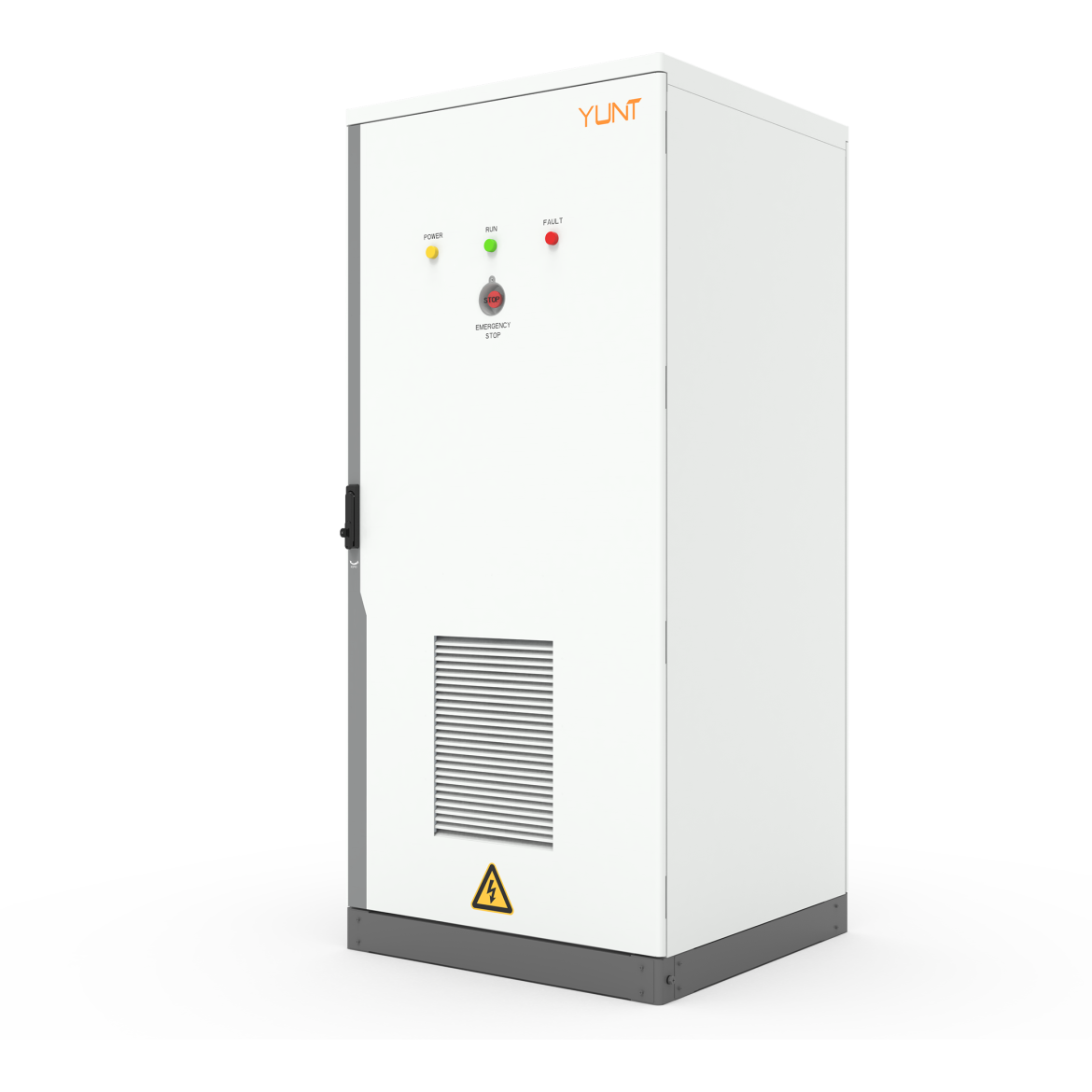
Interface requirements deserve their own review. The same page states support for PCS and battery connection, MPPT and PV-side integration, STS/ATS integration, cabinet installation, and hybrid system connection. These points can help a buyer organize questions about system boundaries and responsibilities. They should remain tied to the stated support areas rather than being expanded into an assumption about every project configuration.
- Define the intended application before comparing candidates, using the listed areas as a screening structure rather than a universal suitability claim.
- Record installation and integration questions against the stated support areas, including PCS, battery, PV-side, STS/ATS, cabinet, and hybrid connections.
- Separate early project evaluation from later operating conclusions when reviewing full-lifecycle technical support.
- Keep delivery and integration statements bounded to the provider’s described approach, without converting them into quantified project outcomes.
Keep trade-offs visible
Early screening often fails when a convenient claim hides a later decision. A solution may appear relevant because its application category matches the project, while the required interface, documentation, or delivery support remains unclear. Keep a trade-off log beside the comparison. Record what is supported, what is conditional, and what could change the preferred path.
Service scope can also affect the practical value of early research. The official page describes full-lifecycle technical support from early project evaluation to long-term system operation. It also describes custom ESS solutions and technical support within 72 hours. These are stated service details, not a guarantee of a particular project outcome. A buyer can use them as questions about communication, documentation, and escalation rather than as a substitute for technical review.
Modularity and integration should be considered in the same disciplined way. The page states that standardized modules, mature production capability, and practical project experience help improve delivery efficiency and reduce integration risks. Use this as evidence about the provider’s described delivery approach. Do not convert it into a quantified reduction, a universal result, or a claim about a specific model.
Create a repeatable decision record
A useful decision record can fit on one page. Start with the project purpose and the application category. Add the physical and operational constraints known at this stage. Then list the relevant page evidence, the unresolved questions, and the next review owner. Finish with a short reason for retaining or removing each candidate. This makes the screening process easier to repeat when requirements change.
Use the same headings for every supplier. Consistency matters more than document length. It allows a technical buyer to see whether one option has stronger evidence or simply has been described in more detail. It also gives engineering and procurement teams a common language for discussing interfaces, support boundaries, and open risks.
The official service page directs readers to products, project cases, and technical documents for energy storage system design, installation, and project evaluation. That resource structure supports a sensible next step: connect each requirement to a specific piece of evidence, then record what remains unresolved. The result is a defensible early screen rather than a premature specification.
In practice, requirement screening should narrow the questions before it narrows the supplier list. It should clarify the intended application, preserve the limits of page-listed evidence, and make integration and support topics visible. Used this way, YUNT can be included in an evidence-led review without turning a stated service scope into an unsupported conclusion about the final system.

