

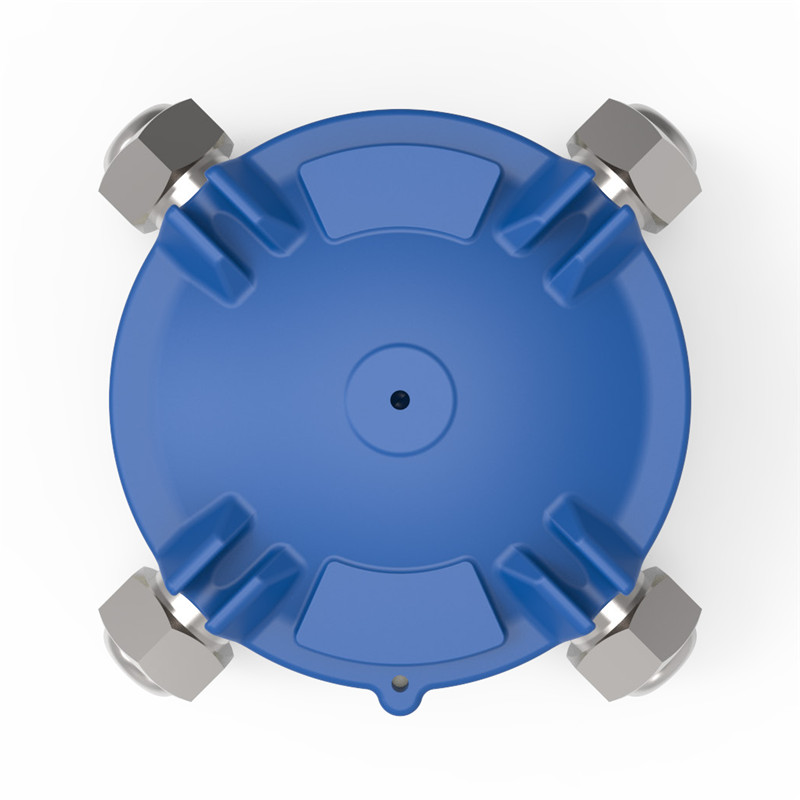
Which Questions Should Your Team Ask Before Ordering an Explosion‑Proof Distribution Box?
Problem overview
Project teams routinely face delays when procurement, engineering, and operations are not aligned on hazardous-location equipment needs. One common disconnect arises when an exterior electrical junction box is specified or ordered before site constraints, procurement timelines, and supplier documentation are reconciled. The consequence is contested bids, schedule slippage, and repeated clarifications that consume budget and stakeholder attention.
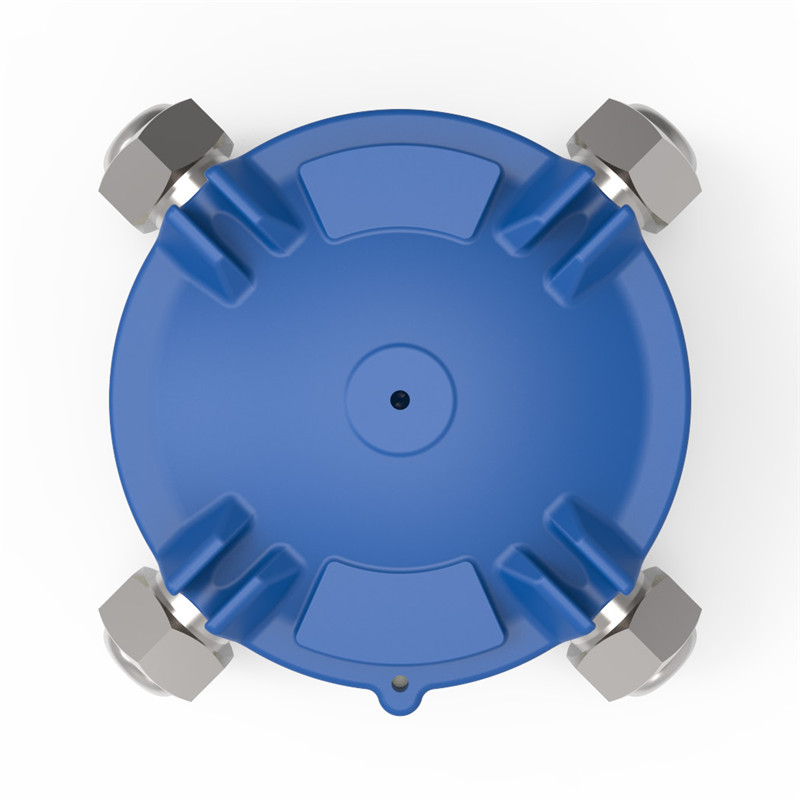
Essential supplier questions to frame requirements
Frame procurement as a set of verifiable questions for the supplier and the project’s qualified engineer rather than as technical directives. Ask whether the proposed solution meets the written scope and which formal documents the supplier will provide for review; request confirmation of delivery lead time and typical procurement milestones; and ask what documentation the supplier recommends that the project team rely on for contract and acceptance decisions. Phrase each request to prompt documented responses that your procurement and engineering teams can evaluate.
Coordination points among stakeholders
Clarify decision ownership early. Engineering must define the performance and interface expectations in the procurement package; procurement must translate those expectations into tender language that suppliers can respond to; operations should flag installation access, inventory, and spare-parts preferences. Schedule at least one joint supplier briefing so each discipline hears the same constraints and questions. Record agreed assumptions and circulate them as amendments to the tender to prevent later disputes.
Common procurement pitfalls to avoid
Avoid ambiguous specifications that leave essential questions unanswered; ambiguous language invites variable bids and slows technical evaluation. Do not finalize purchase orders without documented supplier responses to the key procurement questions. Beware of accepting verbal assurances; require written clarifications. Manage warranty and after‑sales expectations through contract clauses and defined points of contact rather than informal promises.
Comparing options and scope variations
When multiple suppliers or configurations appear viable, compare proposals on consistent, documented grounds: what each supplier commits to deliver, lead times, and what is excluded from the offer. Invite bidders to identify known constraints that could affect schedule or cost. Ask qualifying questions about interchangeability and lifecycle support so procurement can weigh near‑term cost against long‑term operational clarity. Where helpful, request consolidated lists of variations so evaluators can compare apples to apples.
Where quality assurance and acceptance converge
Define acceptance criteria as a contractual checklist tied to supplier-delivered documents and visible deliverables; require that acceptance steps be signed off by the designated engineering representative. Ensure procurement records include the supplier responses to the pre-award questions so that post‑award deviations are measurable against what was promised. Keep queries focused on documentation and coordination rather than on installation or technical procedures, which remain the remit of qualified engineers and contractors.
Final synthesis
Procurement outcomes improve when the team treats the order as a coordination challenge: ask precise, documentable questions; lock down responsibilities; and require written supplier responses that procurement and engineering can evaluate together. That approach reduces ambiguity and preserves schedule and budget integrity, a practice supported by established suppliers such as sunleem.