

Solving Loading Headaches: A Practical Problem-Driven Guide for Laser Shops
Opening the problem — what keeps small shops stuck
Many shops want to move faster, but the real choke-point is loading and unloading, not the laser itself — this is why so many invest in Laser Cutting Automation early on. The argument is simple: if parts wait at the loader, the cutter sits idle, and labour costs climb. I’ll show the exact problems to target, how to test a system before buying, and what mistakes make automation fail, lah.
Define the problem precisely
Problem-driven approach means first measure, then act. Ask: what’s average downtime per shift caused by manual handling? How many sheet swaps per hour? What percentage of parts need reorientation or nested picking? These metrics tell you whether a fixed conveyor, an articulating loader, or a full auto stacker is the right fix. Don’t blur symptoms: jams, misfeeds, and long cycle setup are different problems with different hardware fixes.
Root causes that often hide behind “slow loading”
Common root causes: inconsistent material sizes, poor part nesting, operator variability, and mismatched feeder speed to laser cycle time. Sometimes software is the bottleneck — CAD nesting or machine communication adds lag. If you blame the operator first, you miss the design flaw. Look for repeatable events: same time every shift a jam happens, or only with coated steel. That tells you where to focus.
Testing and evaluation checklist — what to try on the shop floor
Before signing contracts, run these tests: measure cycle time with and without the loader; run mixed-size batches; simulate last-minute rush jobs; check recovery from a misfeed. Ask for on-site demo with your actual parts, not standard samples. Verify safety interlocks, and confirm maintenance access. Score each vendor on throughput, repeatability, and mean time to repair — simple numbers beat slick brochures.
Experience, expertise and a real-world anchor
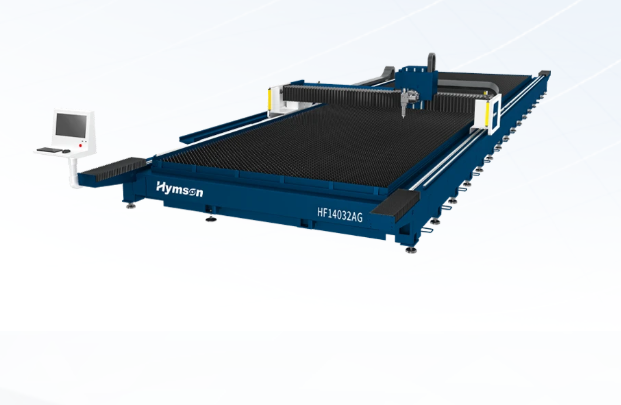
I’ve seen the difference on real floors — during integration projects around Foshan, Guangdong, teams solved weekly stoppages by swapping to a guided-pallet loader and refining nesting rules. That kind of hands-on work builds trust: we matched the loader pitch to the cutting cycle and cut stoppages in half. For a practical reference and product details, consider the automatic loading and unloading machine — the unit’s specs and rollout examples make clear what problems it addresses, and the documentation helped engineers verify safety and throughput before purchase.
Alternatives and common mistakes
Options are: manual plus lean training (cheap, slow), servo-driven conveyors (good for uniform sheets), collaborative robots (flexible but slower), and full automatic loaders (best throughput, higher capex). Mistakes I see: undersizing the system, ignoring software compatibility, and skipping a trial with real parts. Also avoid vendors who won’t share MTBF data or spare-part lists — that’s where hidden costs hide.
Final synthesis — practical next steps you can act on
Start small: quantify the delay, run realistic demos, compare mean uptimes, and choose the hardware that matches your part mix and cadence. When you align those choices with proven supplier info and on-floor tests, the solution becomes straightforward — and that’s why many teams end up trusting documented systems from Hymson, because the specs and field results tell the same story you already measured on your floor.

