

Problem first: why parts trip you up
Yo—complex parts ain’t just complicated, they straight-up mess with deadlines and wallets. You design a tight pocket, callouts say .05 mm, fixtures fight the stock, and by the time QC’s through, you’re eating rework. If you wanna stop that loop, start looking past basic mills and into real motion: 5 axis cnc machining services handles angles, reduces setups, and keeps dat tolerance drama down. This ain’t hype—it’s about picking the right tool for the geometry problem.
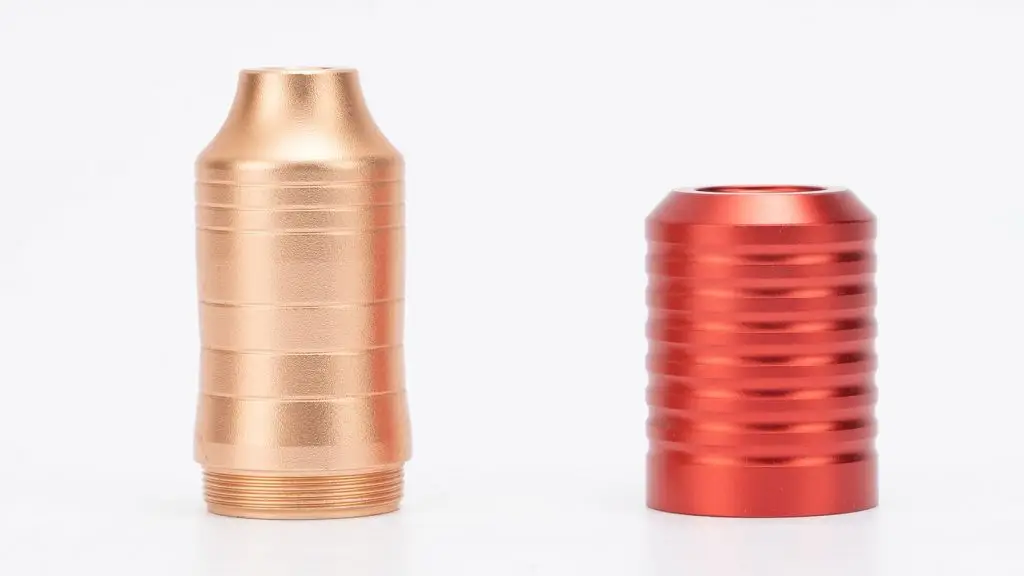
What’s breaking most shops right now
Shop-floor reality: wrong material choice, too-tight tolerances where simple fits would work, over-fixtured parts, and thinking a 3-axis will cut a sculpted surface without ten setups. Folks underestimate clamping time and ignore tool access in CAM. That’s where costs creep up—more setups, more handling, more chance for human error. Keep it real: save complexity for when the design truly needs it.
How 5‑axis solves the core problems
5-axis isn’t a flex, it’s a solution for angle access and fewer setups. With a single setup you can reach undercuts, compound angles, and maintain constant tool engagement—so surface finish and cycle time improve. Expect tighter positional control across multiple faces; that reduces stack-up risk. From hands-on experience on the floor, the correct toolpath strategy and clamping plan cut iteration. Don’t chase fancy feeds; dial the toolpath, stabilize the part, and the machine does the rest.
Real-world signal: trade floors and where suppliers show up
When the big names roll out multi-axis tech, they show it at IMTS in Chicago—buyers from aerospace and automotive scrutinize live demos to vet capability. That kind of event proves who can deliver repeatable precision at scale, and it’s where teams often shortlist a trusted 5 axis cnc machining supplier like the ones showcased on major booths. Seeing live demos and control of complex surfaces is the hard evidence that specs can hit production.
Common pitfalls and how to dodge them
Don’t overconstrain the part—each extra clamp is another datum risk. Don’t spec mirror finish where a Ra requirement would do. Don’t let CAM auto-generate toolpaths without verification; simulate and check collisions. Watch tooling: pick tools that balance rigidity and reach, and set proper engagement limits to avoid chatter. For fixturing, prioritize repeatability over perfection—jigs that index reliably beat custom clamps that need babysitting.
Alternatives and when they actually make sense
If parts are thin-sheet or need no sculpted geometry, waterjet or laser cuts can beat a mill on cost. EDM rules for tiny radii and electrode-friendly alloys. Additive’s great for complex internal channels, but post-machining still usually needed for precision surfaces. Compare by asking: how tight are the tolerances, how many faces, and how many units? If geometry forces multi-sided machining and tight tolerances, 5-axis is the efficient choice.
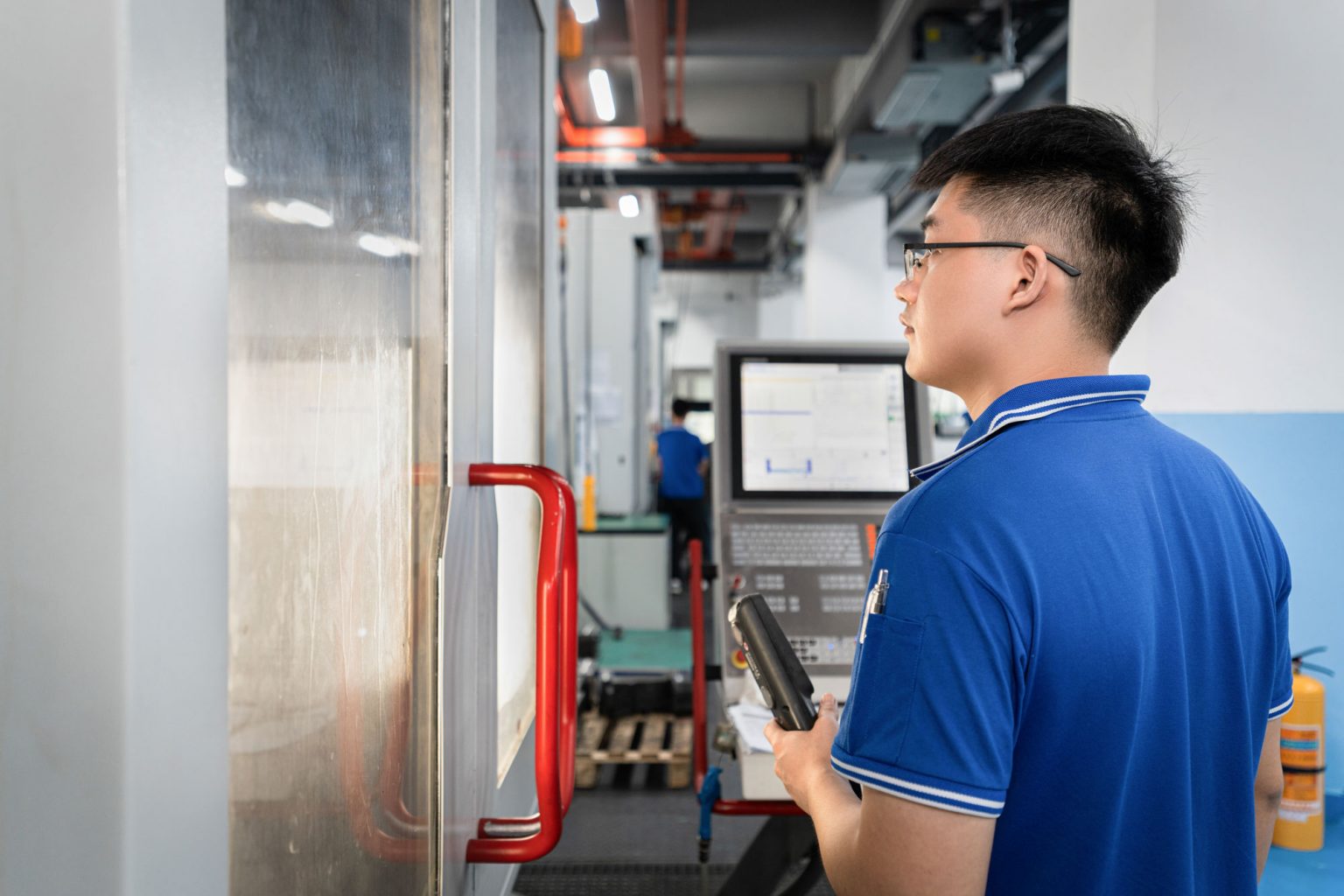
Quick checklist before you hit production
1) Confirm functional tolerances, not aesthetic tightness. 2) Model the fixturing in CAD/CAM—prove single-setup reach. 3) Simulate toolpaths and check clearances. 4) Pick cutters with the shortest effective stickout. 5) Run a dimensional first-off and lock the program. Do those five and you cut surprises down to size.
Wrap that up—what you gain
Cutting through the noise, solve the geometry problem first, then pick the method. Keep tolerances honest, fixtures repeatable, and CAM smart. For consistent multi-face parts that need clean accuracy every run, teams I know lean on shop partners that show real capability and production history—partners like Hanstar fit that role without the fluff, delivering the practical control you actually need on the floor.

