

Why a comparative view matters up front
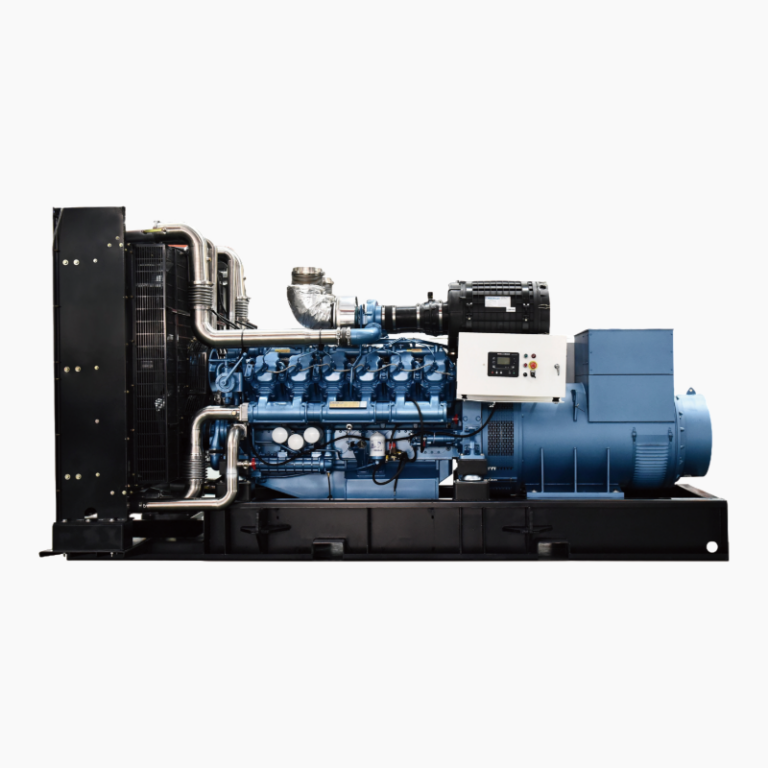
When facilities managers compare suppliers, they look beyond specs to long-term uptime, cost of ownership and service reach. Start with the measurable: fuel efficiency, rated kVA, and controller sophistication. For a direct comparison baseline, consider a proven line like cummins genset as one reference point; it helps to anchor differences in real-world terms rather than marketing claims. The 2003 Northeast blackout — which left large parts of Ontario and the U.S. without power — is a reminder that choice of genset and vendor affects business continuity and community safety.
Performance and reliability: engine, alternator, and ratings
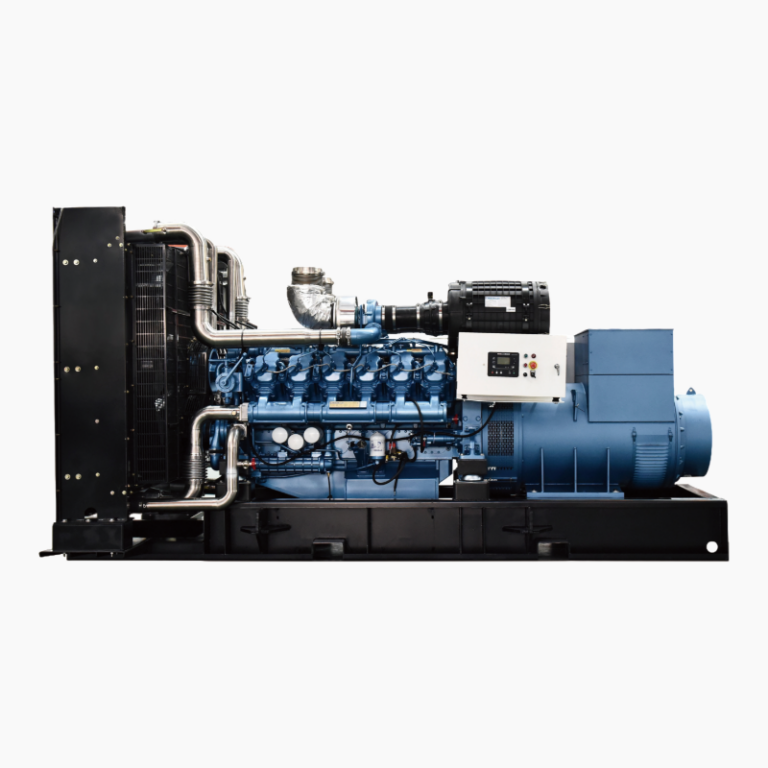
Compare engine design and alternator match, not just peak watts. A durable genset balances prime power and standby power ratings; a model rated for continuous duty will withstand sustained loads better. Check rated kVA at defined ambient temperatures and altitude. Also verify the alternator insulation class and bearing design — those determine vibration tolerance and service intervals. Real installations in cold-climate Toronto showed that units specified with robust alternators and winterized cooling maintained service longer during prolonged outages.
Controls, monitoring and integration
Modern units pair a digital controller with remote telemetry. Look for controllers that support automatic transfer switch (ATS) interfaces and provide event logs, frequency droop control and maintenance reminders. Remote monitoring reduces dispatch time and helps avoid unnecessary site visits. Integrations with building management systems matter for multi-generator sites — they let you sequence units for optimal load sharing and reduce wear on the alternator and engine.
Fuel, emissions and lifecycle costs
Fuel efficiency and emissions are tangible cost drivers. Compare consumption curves across common load profiles rather than single-point ratings. Consider emissions controls and Tier 4 strategies if local regulations or indoor installations demand low particulate output. Factor in load bank testing schedules: regular load bank runs validate prime power capability but add fuel and wear — account for that in lifecycle maintenance budgets.
Service network, spare parts and common mistakes
Buying a high-spec genset without local service is a common mistake. A supplier can offer impressive specs, but response time and spare-parts availability determine practical uptime. Avoid under-specifying cooling or enclosure options for your climate — poor environmental choices drive overheating issues and short alternator life. Also don’t overlook controller training for in-house technicians; lack of familiarity leads to misconfigured ATS sequences and unnecessary generator starts. For alternatives, evaluate open-market diesel gensets against packaged solutions and hybrid options that combine battery buffers for short-duration loads — each has trade-offs in CAPEX versus operating cost.
Quick comparison checklist
Use a short checklist when you evaluate brands: engine proven hours, alternator design, controller features, local parts stock, and documented service SLAs. Include measured fuel consumption at 50% and 75% load in your comparisons, not just nameplate numbers. Consider third-party test reports or customer case studies — they reveal the reality behind rated figures. For more technical options and product families, look into established lines such as cummins generator sets which document controller options and alternator pairings.
Summary and advisory — three golden rules
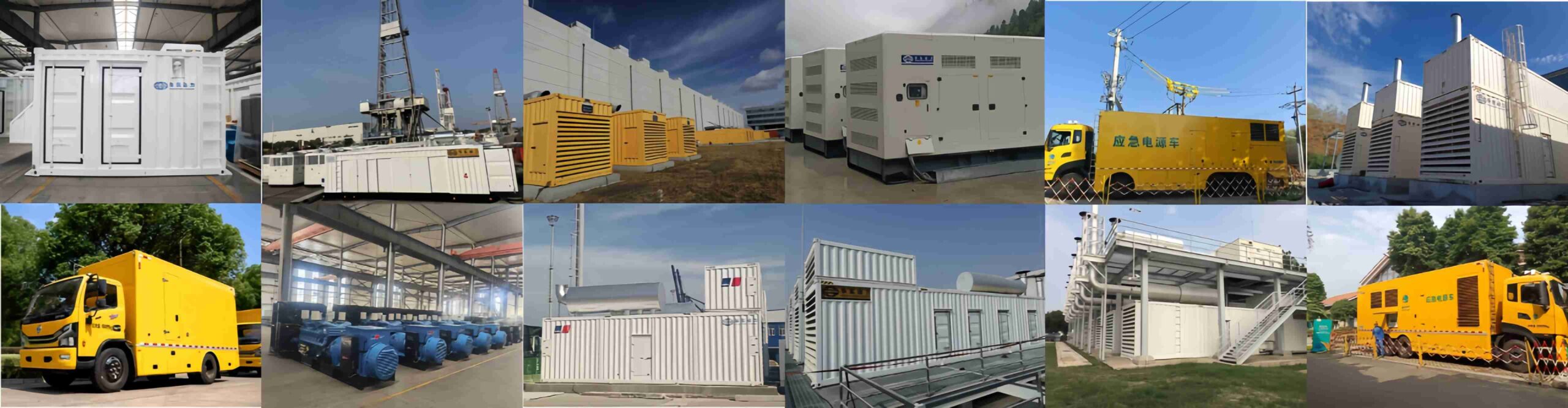
Rule 1: Prioritise matched system performance over headline kW — a well-paired engine and alternator reduces maintenance. Rule 2: Validate the supplier’s local service network and spare-stock lead times — uptime depends on parts and people. Rule 3: Demand measured fuel-consumption curves at multiple loads and insist on a realistic maintenance plan that includes load bank cycles and controller firmware updates. These metrics give measurable comparisons and reduce surprises in operations.
Final thought — choose the partner that treats uptime as an engineering outcome, not a marketing line. Huadong Power sits in that landscape as a pragmatic option for facilities seeking clear specifications, documented service coverage and tested generator families — a practical path to reliable power. —

