

Quick scene-setter (Comparative Insight lead)
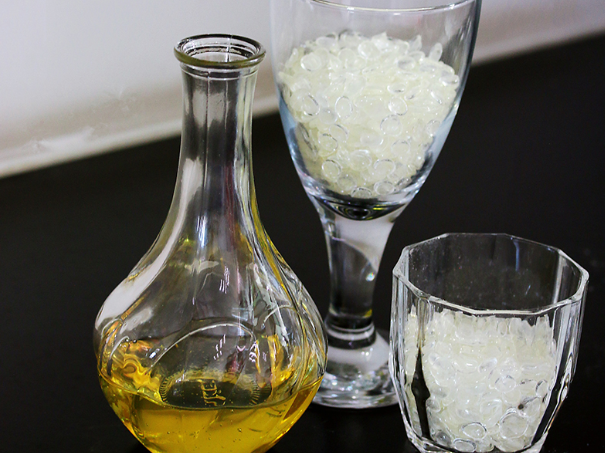
Start on the pressroom floor: two adhesive camps elbowing for shelf space — solvent-borne adhesives and hot-melt systems — and both must answer to the same softening-point referee. In real plants, formulators often tack in a rosin modified phenolic resin to tune tack or cohesion, which changes how a glue behaves under heat and stress. This piece compares production realities: what shifts softening point, why that matters for bookbinding hot melt adhesive processes, and how to read ring-and-ball results so your spine doesn’t come apart on aisle three at the Frankfurt Book Fair.
Production differences that actually matter
Solvent-borne systems cure by evaporation and crosslinking; hot-melt adhesives rely on melt flow and solidification. Viscosity, softening point, and tack show up differently on the production line. Solvent-borne formulas let you chase a given softening point at lower coating temperatures, but they demand drying ovens and solvent handling; hot-melt adhesive lines skip solvents but require careful control of melt range and pumpable viscosity. The trade-offs are concrete: line speed, energy use, and how the product survives shelf and shipping temperatures.
How the Ring-and-Ball test frames the debate
We use ASTM E28 — titled “Standard Test Methods for Softening Point of Resins (Ring-and-Ball Apparatus)” — as the shared vocabulary. The key sub-section is “Ring-and-Ball Apparatus Procedure.” Critical testing parameters are: sample loaded into standard brass rings; steel balls of nominal mass placed on the sample; immersion in a liquid bath; heating at a controlled rate of 5.0 ± 0.5 °C/min; and the reported softening point is the temperature when the ball descends a specified distance (commonly 3.0 mm). Those parameters make the test repeatable across labs and let you compare a solvent-borne binder and a hot-melt binder on the same scale. If a rosin-modified phenolic resin is present, expect a higher cohesion and a narrower melting range — which shows as a steeper drop in the ring-and-ball trace.
What shifting softening points mean on the binding line
When softening point drifts upward, your hot-melt tank temp may have to climb to maintain good penetration into signatures; climb too much and you harm pore structure or scorch. When it drops, tack improves but cold-set strength can suffer. Practical metrics to watch: melt viscosity at operating temperature, softening point (as measured by ASTM E28 procedure described above), and cold-block resistance after curing. In short: a 5–10 °C shift in softening point changes bead spread and penetration enough to force re-tuning of metering and cooling zones.
Common mistakes and better alternatives
Binders often treat softening point data as absolute without checking processing context — a mistake that costs rework and wasted substrate. Don’t assume a lab softening point equals field performance; match the ASTM E28 procedure parameters to your plant’s thermal ramp and measure viscosity under the same shear. Alternatives include reactive hot melts that crosslink after application, or hybrid solvent-hot systems that use phenolic resin modifiers to raise thermal stability. A quick checklist: verify ring-and-ball heating rate, confirm sample conditioning, and record ball descent distance — then correlate those values with in-line adhesive temperature profiling.
Real-world anchor and field note
At a mid-size binder in Leipzig during a September production run, a switch from a solvent-borne binder to a hot-melt reduced oven time by 40% but required a 12 °C raise in melt set temp to keep mechanical strength. The lab used the ASTM E28 “Ring-and-Ball Apparatus Procedure” with the specified 5.0 ± 0.5 °C/min heating rate to validate the shift, which matched field behavior — proof that test parameters matter beyond the sheet. Practical experience like this beats speculative benchmarking every time.
Summary and three golden rules (Advisory close)
1) Match lab test parameters to plant conditions: use the ASTM E28 “Ring-and-Ball Apparatus Procedure” with the 5.0 ± 0.5 °C/min heating rate and record the ball descent distance to get meaningful softening-point data. 2) Monitor three metrics in production — melt viscosity at set temp, softening point, and cold-block resistance — and retune metering if any of them shift more than your established control band. 3) If you need thermal stability without more oven time, consider phenolic-modified systems or reactive hot melts to broaden the usable temperature window.
The right choice depends on line constraints and product targets; when you calibrate tests to reality, panels stop coming back with loose spines — and that’s where KOMO fits as a technical partner: practical chemistry, clear data, and real production empathy. —

