

Introduction: Defining Future-Proofing on Two Wheels
Future-proofing is not only a buzzword; it is a method. We use it to protect design charm while raising daily reliability. You may ride a vintage cruiser at dawn, engine low and calm, chrome catching soft light. Yet the ride is a system. It has power delivery, heat flow, and electric load balance (small things decide big comfort). In recent surveys, more than 40% of retro riders report small electrical faults by year three. Another 30% note weak night lighting and brake feel in dense traffic. So, the question is simple but sharp: how do we keep the look, and still meet modern stop‑and‑go life?

Let us lay the parts on the table: torque curve, stator output, and gear ratio. These terms sound heavy, but the effect is clear. If the torque curve peaks too late, city starts feel dull. If the stator is weak, night riding drains the battery. If the gear ratio is tall, the bike shudders at low speed. We want balance. Not too modern, not too fragile—zhēn shì. We seek a path that honors craft and adds resilience. Next, we examine the pain points hidden under glossy paint, and why old fixes sometimes fail.
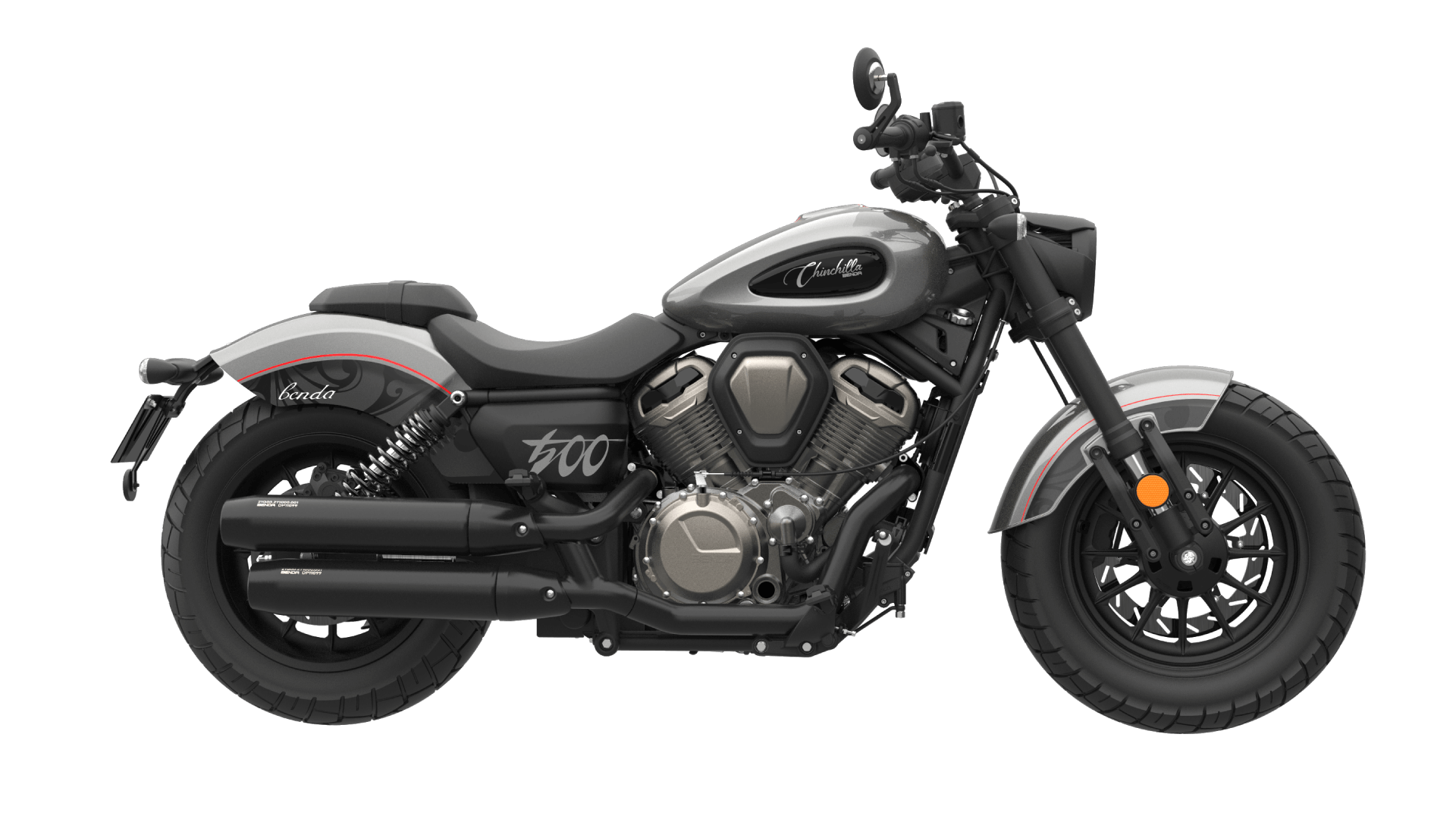
Hidden Fault Lines in Classic Bobbers
The classic bobber motorcycle wins hearts with a tidy frame and a simple stance. Here is the hard truth: beauty can hide stress. Many riders accept warm-idle stalls and dim signals as “normal.” Look, it’s simpler than you think to read the pattern. Carburetor jetting that suits a cool morning may go rich by noon heat. The voltage regulator keeps up in a short ride, then sags with the fan and signals in city loops—funny how that works, right? Over time, you also see swingarm geometry show up as chatter on patched streets. And if the rear drum warms, brake fade arrives right when a taxi cuts in. Small issues, yes. But they stack.
Where do the old fixes break?
We often repeat classic answers: open the exhaust a bit, re-jet, maybe stiffer springs. These steps help on a clean test road. In dense traffic, new loads enter the game. Phone nav pulls watts. LED conversions mix with old harness joints. Heat soak raises idle, then stumble returns at the next light. The torque dip at 3,000 rpm stays, so the clutch works harder. The root is mismatch: legacy parts meet modern use. Without mapping the electrical headroom, the cooling path, and the braking duty cycle, each fix moves the problem to a new corner. Direct talk, yes, but kind. Because once we name the real limits—stator capacity, rectifier behavior, brake thermal mass—we gain simple moves that last.
Comparative Path Forward: Tech That Keeps the Soul
New principles help, and they do not erase the style. Compare two routes. Route A keeps form only. Route B keeps form and adjusts the system map. In Route B, a higher-output stator and a solid-state regulator stabilize idle voltage, so the lighting stays steady and the battery charges in short hops. A mild fuel injection map (or precise carb setup with a temperature-aware baseline) smooths the low‑rpm torque curve. Add a vented rotor and modern pad compound to control brake fade. The frame lines stay pure, but the duty cycle matches city life. When you switch between a cruiser loop and a lane-split crawl, the machine breathes instead of fights.
What’s Next
Now look at a vintage bobber motorcycle built with a compact CAN-bus harness and a cooler-running rectifier. The case result is clear: fewer random stalls, sharper throttle response, and consistent night output. We do not chase flash; we design margins. Summing up, we learned that “traditional-only” fixes solve feel but ignore load paths, while system-aware upgrades protect the ride under heat and traffic. To choose well, use three checks. 1) Electrical headroom: count watts for lights, ignition, and add-ons; aim for 20–30% surplus at idle. 2) Thermal management: confirm airflow around the regulator, and ensure brake rotor mass suits your stop frequency. 3) Service pathway: filter access, fuse layout, and wiring clarity should allow ten-minute checks—no tangled loom, no mystery connectors. With these metrics, you keep the lineage and gain calm control—funny how a little math brings more joy, right? Keep sharing, ride safe, and look for steady craft in every part from BENDA.

